Signs of Hidden Water Damage
Most water damage is found late, because the first thing you see is rarely where the water is. Austin Restoration Pros runs through the signs worth acting on and what each one usually means.
- 24/7 Emergency Response
- Upfront Quotes
- Drying & Repairs
By the Austin Restoration Pros team · Updated September 2026
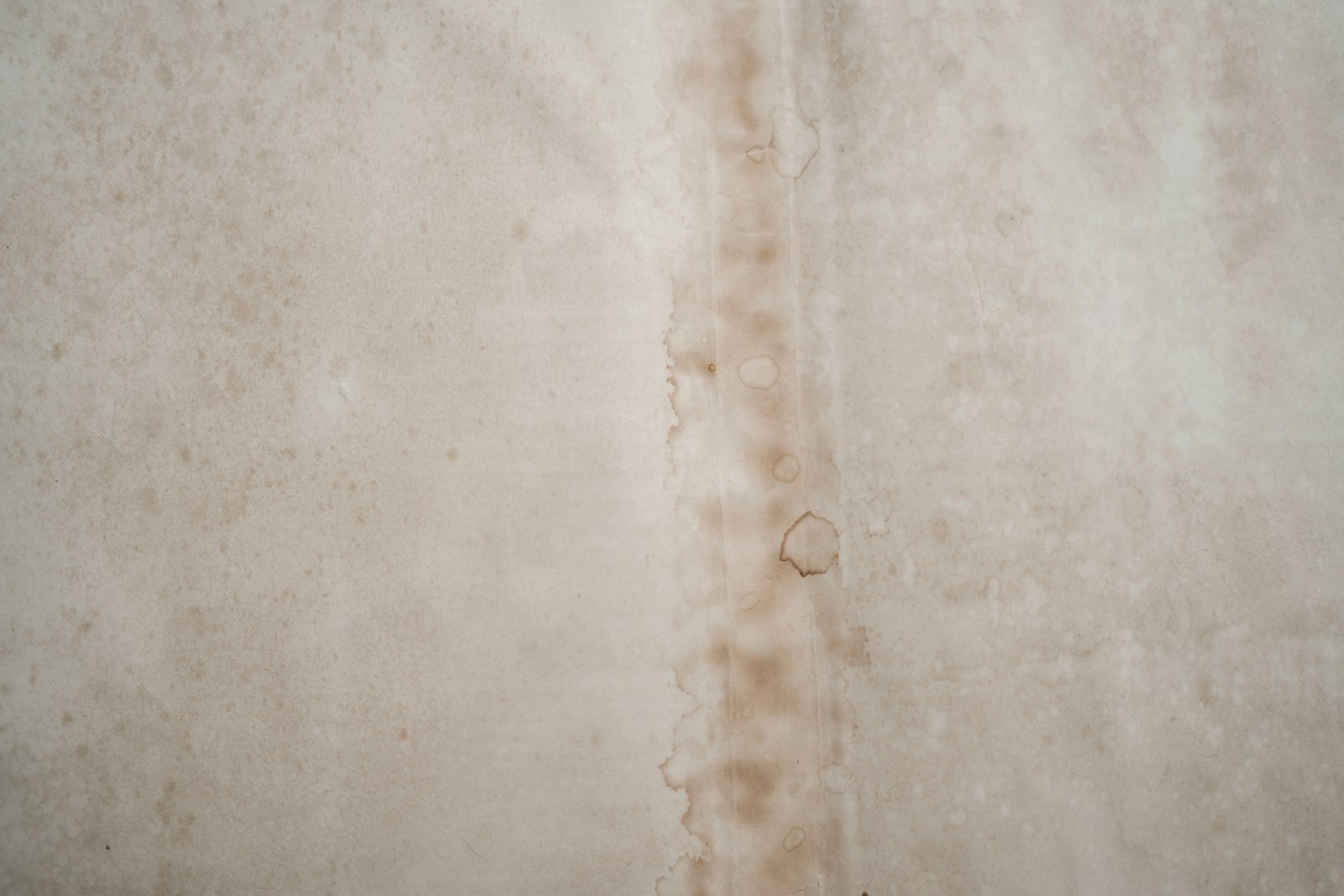
A Stain Is the End of the Trip
A brown ring on a ceiling is where the water finally came through the paint, not where it got in. Water leaving a pipe or a roof runs along the nearest surface it can follow, which indoors means joists, ductwork, pipe runs and the top plate of a wall. By the time it soaks through drywall and shows on the surface, it may have travelled several feet sideways and wet a good deal of insulation on the way.
That is why poking at the stain or repainting it is a waste of effort. The useful information is how big the wet area is behind the ceiling, and that comes from moisture readings and, sometimes, from getting into the attic. A stain that is growing, darkening or still damp to the touch means water is still arriving.
Smell Before Sight
A musty smell that appears when a room has been shut up, then fades once the door is open for a while, is one of the most reliable signs of something wet in a cavity. It is usually strongest near the floor or in a closet against an exterior wall. People get used to it quickly, which is why visitors notice it first.
Do not treat a smell as cosmetic and reach for an air freshener. It means material somewhere is holding moisture, and in Central Texas humidity, material holding moisture for long enough turns into a mold remediation job rather than a drying one.
What the Building Does When It Is Wet
Materials move. Baseboards swell and pull away from the wall. Door frames stop closing cleanly on one side. Wood flooring cups at the edges of the boards or lifts at the seams. Vinyl or laminate develops a soft, slightly springy feel underfoot. Paint blisters low on a wall, wallpaper lifts at a seam, and a tile grout line darkens and stays dark.
None of those prove a leak on their own, but a group of them in one corner of a room almost always does. The same goes for a floor that is inexplicably warm underfoot in one spot, which can point to a hot water line under the slab, or a fine crack that keeps reappearing in the same place on a wall.
Signs Outside the Building
Look at the outside as well as the inside. Gutters overflowing at the same corner every storm. A downspout discharging right against the wall instead of away from it. A patch of lawn that stays green through August when the rest is brown. Mulch or soil that is always damp on one side of the house. Efflorescence, the white chalky residue left when water moves through masonry, on a brick or block wall.
Roof damage is the quiet one. After a hailstorm, lifted shingles and cracked flashing let water in at the next heavy rain rather than during the storm itself, which is why so many calls arrive weeks later with no obvious event to blame.
The Water Bill Test
If you suspect a leak you cannot see, the meter will tell you. Turn off every fixture and appliance that uses water, then look at the meter and note the reading or watch the low-flow indicator. Come back in an hour with nothing used. If it has moved, water is going somewhere. That is a job for a plumber to trace and repair, and for a restoration crew to deal with afterwards, and our burst pipe cleanup page covers the second half.
What This Looks Like Around Austin
Local housing shapes which signs show up. In the older central neighborhoods, where 1920s and 1930s houses sit on raised pier-and-beam floors, a slow leak often shows as a soft floor or a musty smell from the crawl space long before anything stains. In the suburban slab houses that make up most of the metro, the same leak spreads sideways and turns up as a damp baseboard in the next room.
Two-story subdivisions add a third pattern: a failure in an upstairs bathroom or laundry room shows up on a downstairs ceiling, often on the far side of the room. That is the most common version of this we see on the Round Rock side of the metro. And after any freeze like February 2021, split lines in attics and exterior walls can leak quietly for weeks before anyone connects the stain to the cold snap.
Arrange an Inspection
If two or three of these signs are showing in the same part of the house, it is worth having someone read it properly rather than watching it. Austin Restoration Pros covers Austin and the surrounding towns and can map the wet area before anything is opened up, then move into structural drying if it is needed. If you want to understand what is likely to be saved, read drying and restoring compared with tearing out and replacing, or check how to request a visit.