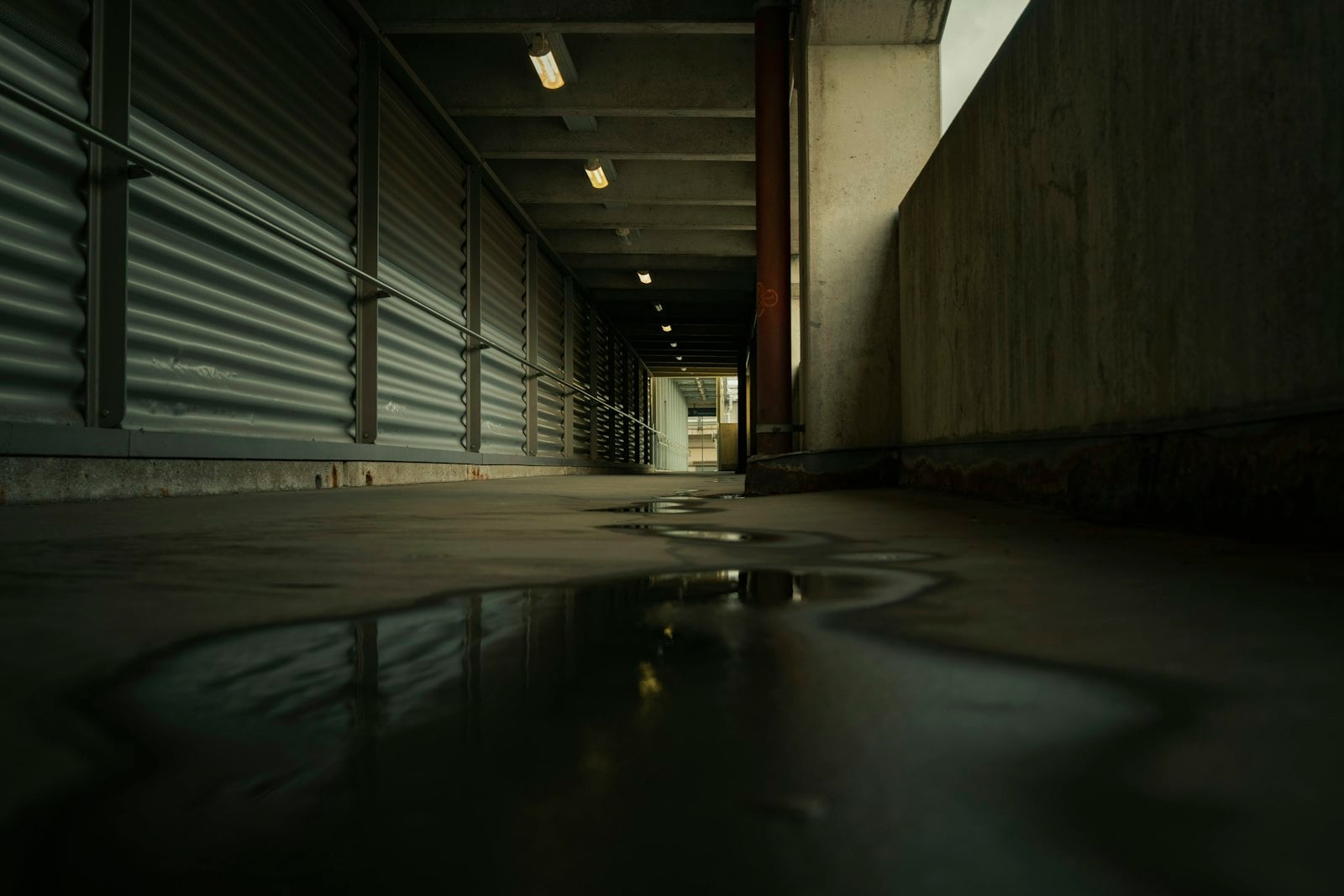
Emergency Water Extraction
Standing water keeps soaking into flooring and drywall every hour it sits. Getting it out is the first job.
Emergency Water ExtractionA split pipe, a storm that got into the house or a drain backing up needs prompt attention. Austin Restoration Pros connects you with independent water damage restoration providers. Availability varies by provider. Ask the provider to explain every step before work starts.
Standing water keeps soaking into flooring and drywall every hour it sits. Getting it out is the first job.
Emergency Water Extraction
A floor can feel dry on top while the subfloor and wall cavity behind it are still wet.
Structural Drying
A supply line that splits releases water for as long as it runs, often behind a wall or above a ceiling.
Burst Pipe Cleanup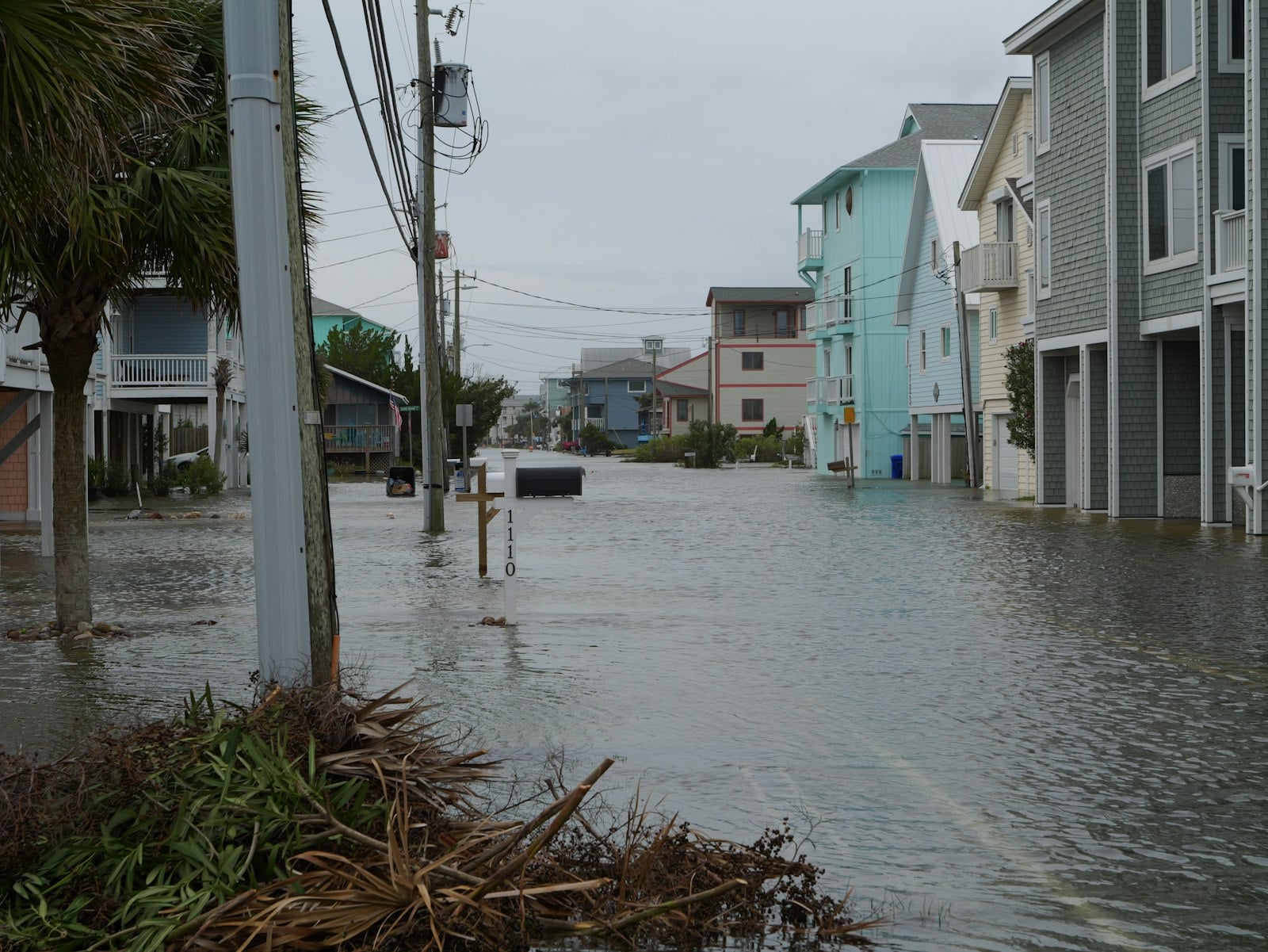
Water that comes in from outside brings mud and whatever the street was carrying with it.
Storm and Flood Cleanup
A drain backing up is a health hazard, not a mess. Keep people and pets out of the room.
Sewage Cleanup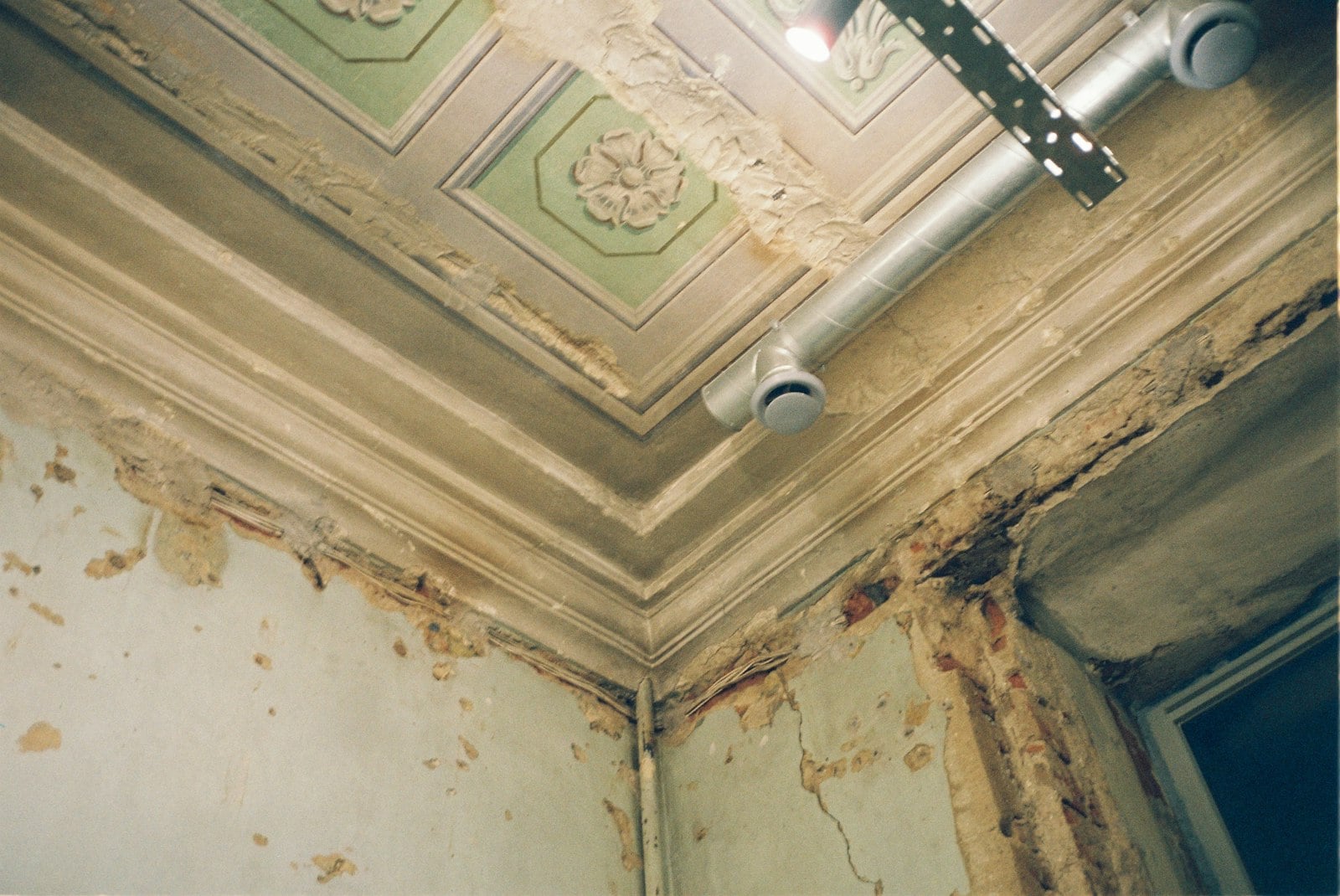
Central Texas humidity means growth can start within a couple of days of a leak nobody found.
Mold Remediation
Offices, restaurants and retail space have to keep trading, so the drying plan works around the business.
Commercial Restoration
Rain that gets past the roof soaks insulation first and shows up as a ceiling stain later.
Roof Leak Cleanup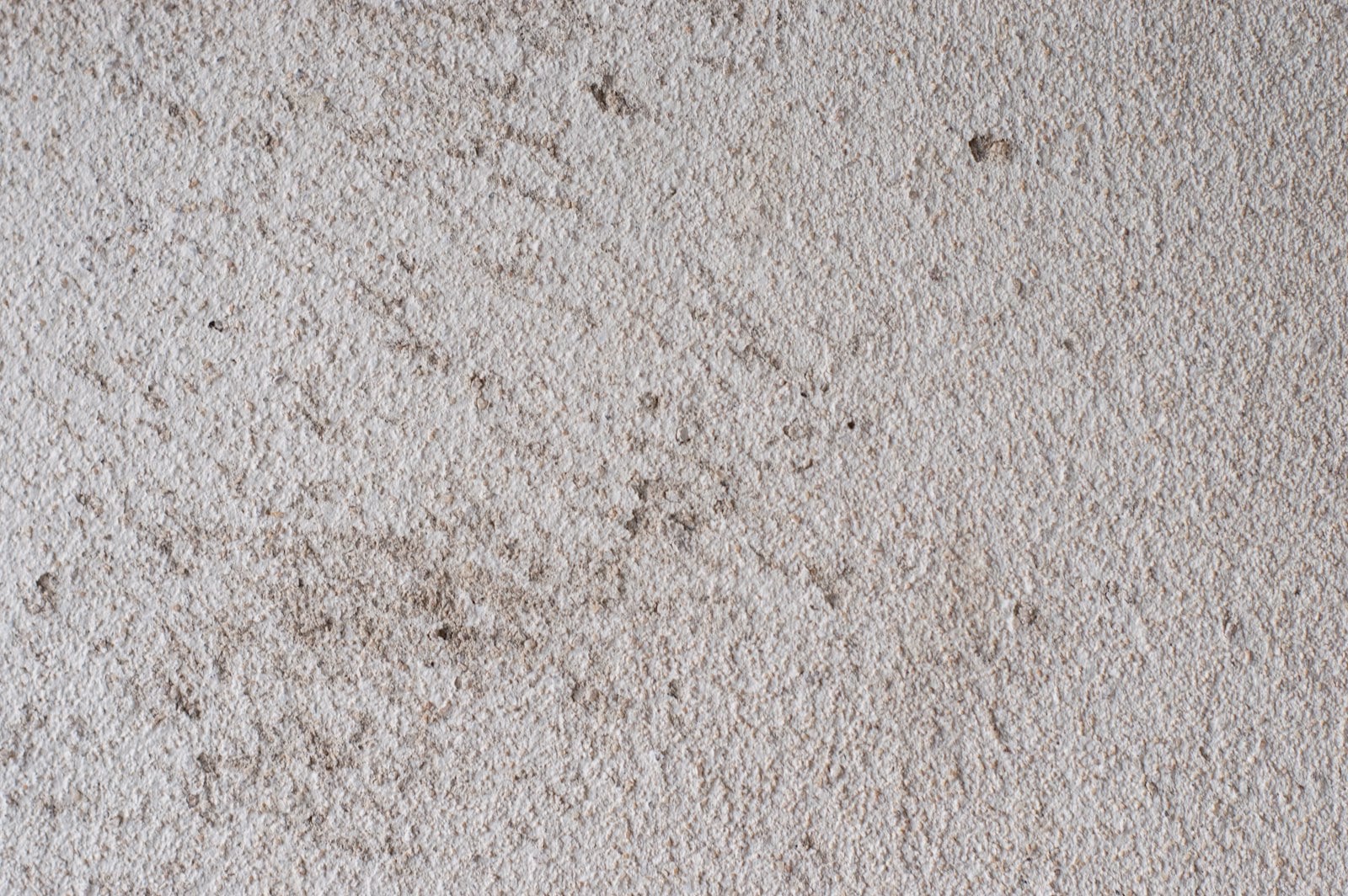
A washer hose, dishwasher, fridge line or water heater can soak a room before anyone sees it.
Appliance Leak CleanupThere is no point drying a room while water is still arriving. An independent provider should find where it is coming in, and say plainly if the repair needs a plumber or a roofer first.
Ask the provider for a written quote covering the extraction, the drying equipment and any tear-out, and a separate figure for rebuilding. If there is more than one sensible way to do it, ask about both.
Ask for moisture readings in the flooring, walls and framing at the start and again on each visit, so there is a record of what dried and when rather than an opinion about it.
Austin sits in the part of Central Texas people call Flash Flood Alley: thin soil over limestone, steep ground and creeks like Shoal, Waller, Onion and Walnut that rise fast when a storm parks over the hills. The Memorial Day and Halloween floods of 2015 showed what that can do to a neighborhood, and the February 2021 freeze filled apartments and houses across the city with water from split pipes. Almost every home here is built on a slab with no basement, so water runs sideways across floors and into walls instead of draining away.
On a slab house the water has nowhere to go but outward, so it reaches carpet, baseboards and cabinet bases in minutes. Stay off wet flooring near outlets and call before you start moving furniture.
What to do first
A stain is the end of the trip, not the start of it. Water follows joists and pipe runs, so the leak is often several feet away from the mark you can see.
Signs to look for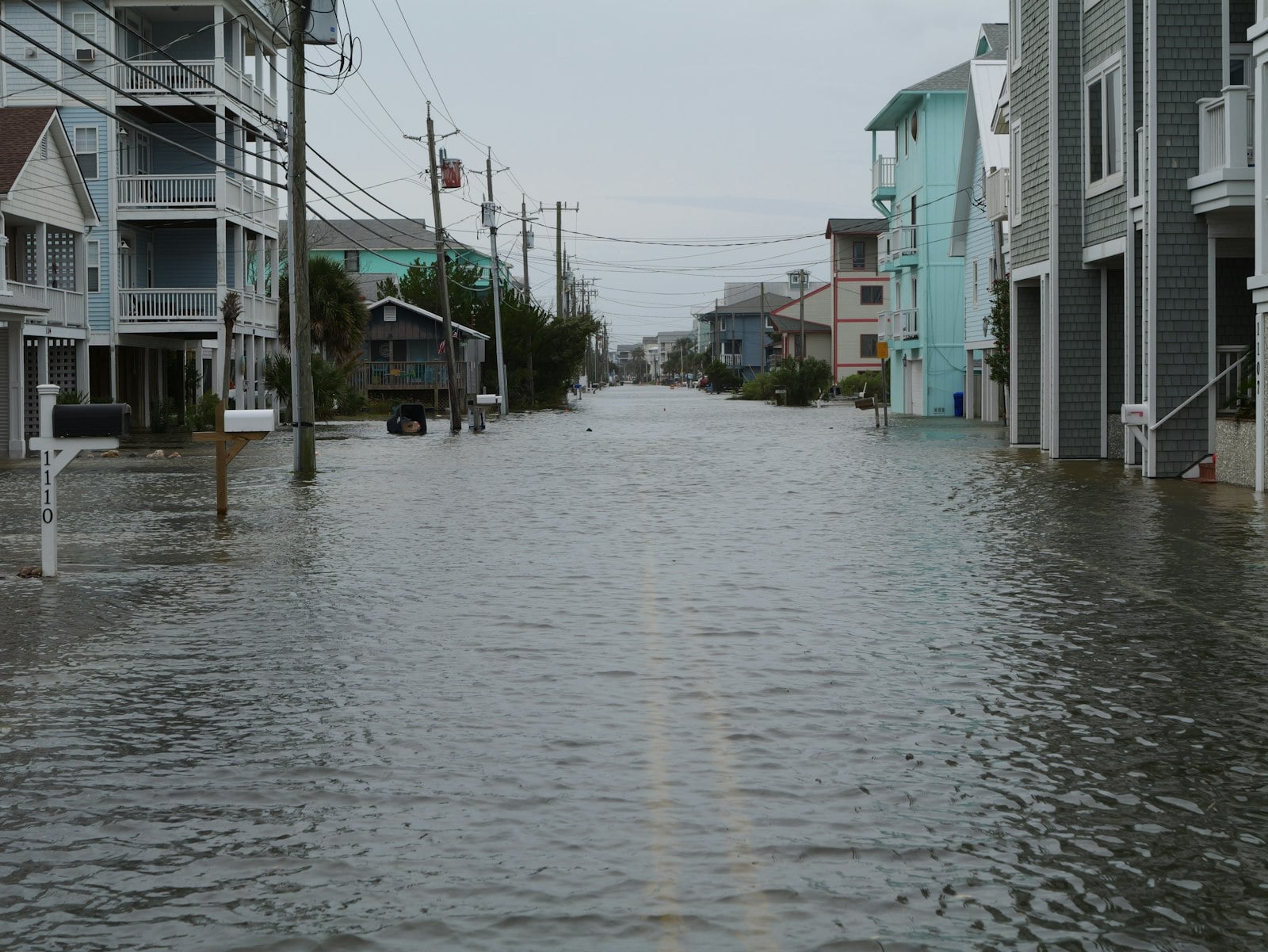
Runoff that comes in under a door or through a window frame carries silt and yard debris with it. That changes how the carpet, pad and lower drywall are handled.
Storm cleanup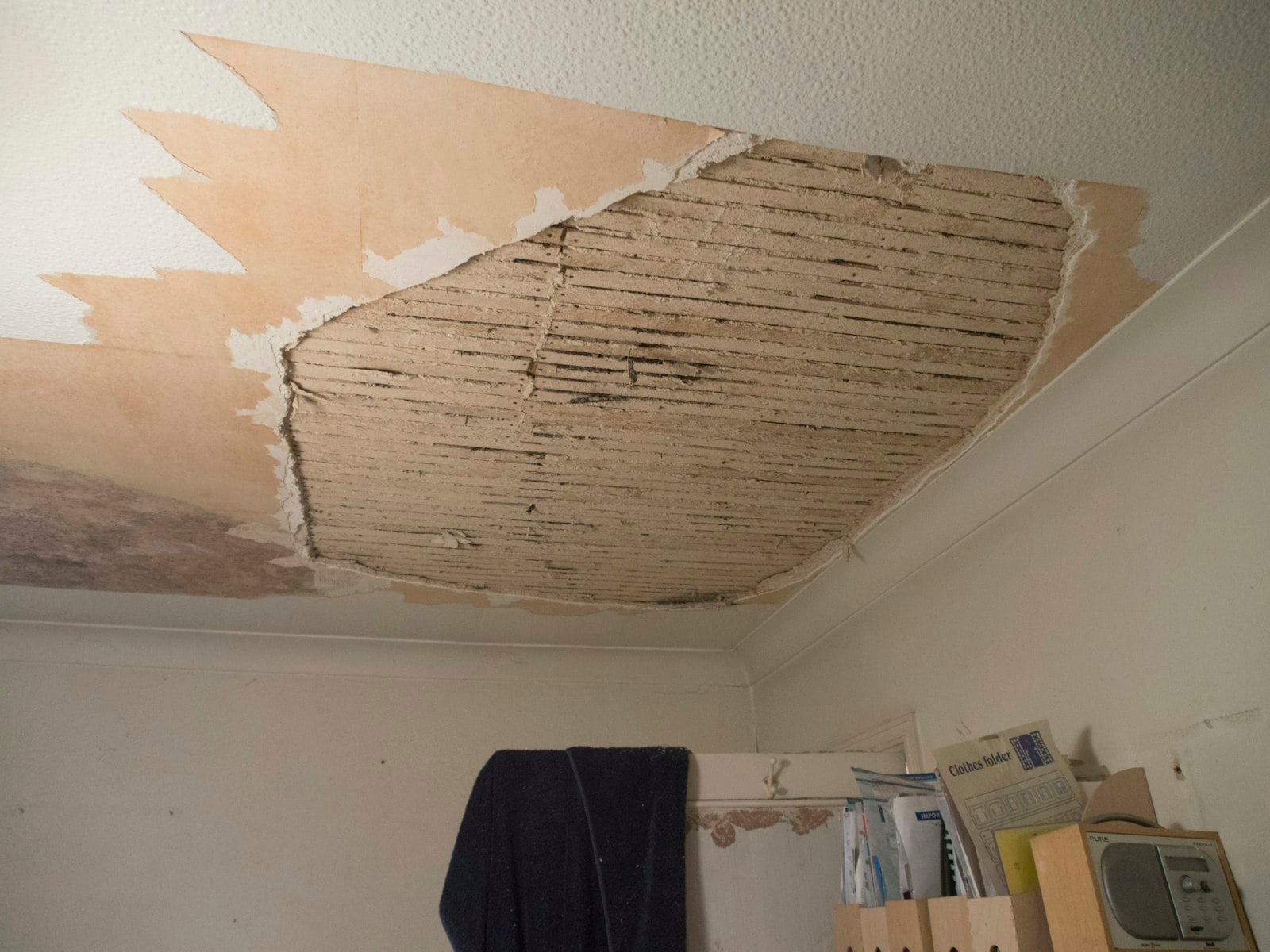
A ceiling holding water is heavy and can come down without warning. Keep everyone out of the room and do not poke it to drain it.
Dry it or replace itStop running water anywhere in the building, including the washing machine, and keep the room closed off. This is cleaned with protective gear, not a mop.
Sewage cleanup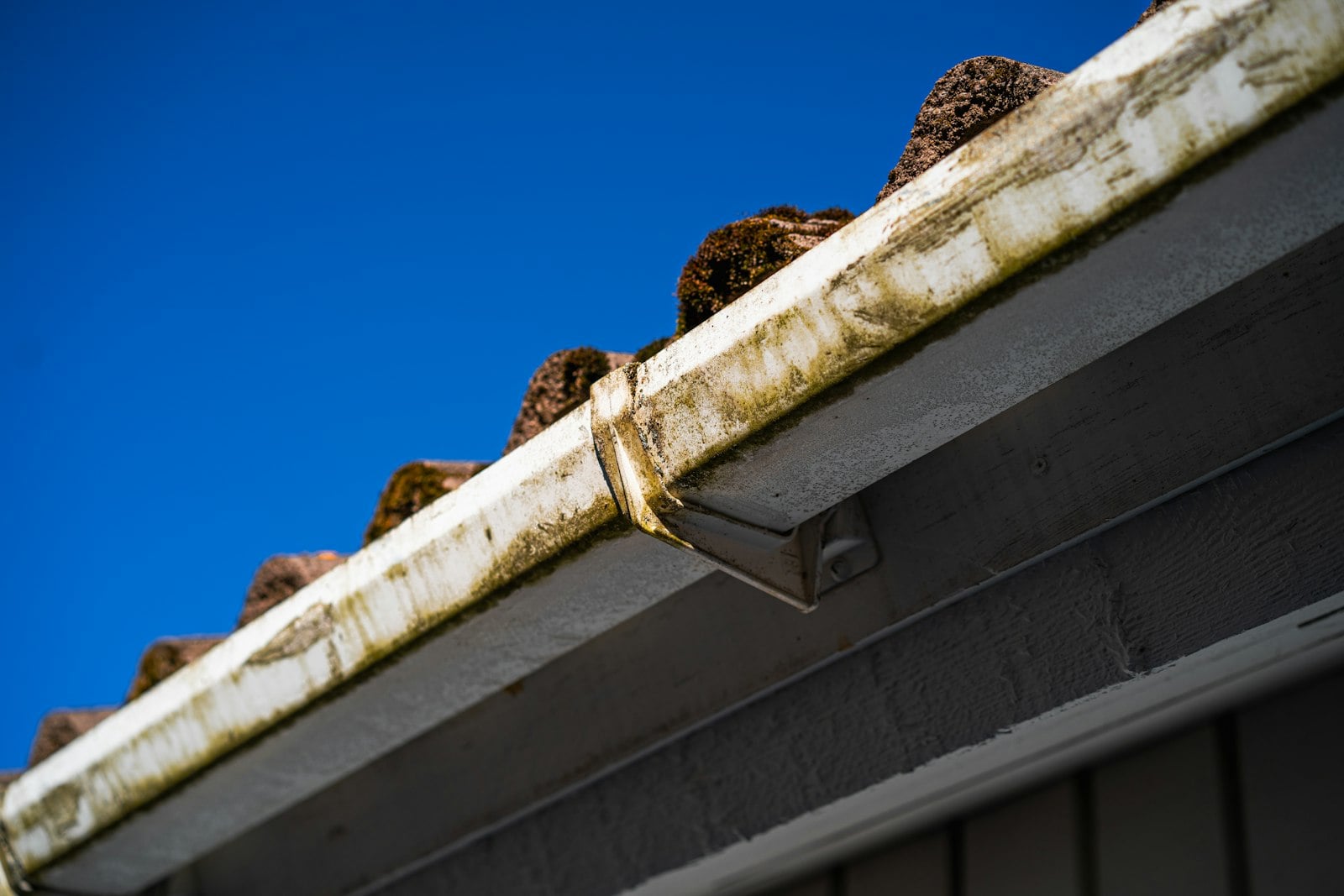
A smell that will not go away usually means something behind a wall or under a floor never dried. That is worth finding before it spreads further.
Mold remediationDescribe where the water is, whether it is still coming in and what it has already reached, to check whether an independent provider is available.
Stop the water at the meter or the fixture valve if you can reach it safely, and keep away from wet flooring near outlets or a bulging ceiling.
The independent provider maps how far the water traveled and takes readings and photographs. Ask for the price before work starts.
Water comes out, equipment goes in, readings are checked on each visit, and repairs follow once the structure is dry and you have approved them.

Two-story slab subdivisions built from the 1990s onward, often with the laundry and a bathroom upstairs. A supply line up there soaks two floors at once.
View Round Rock service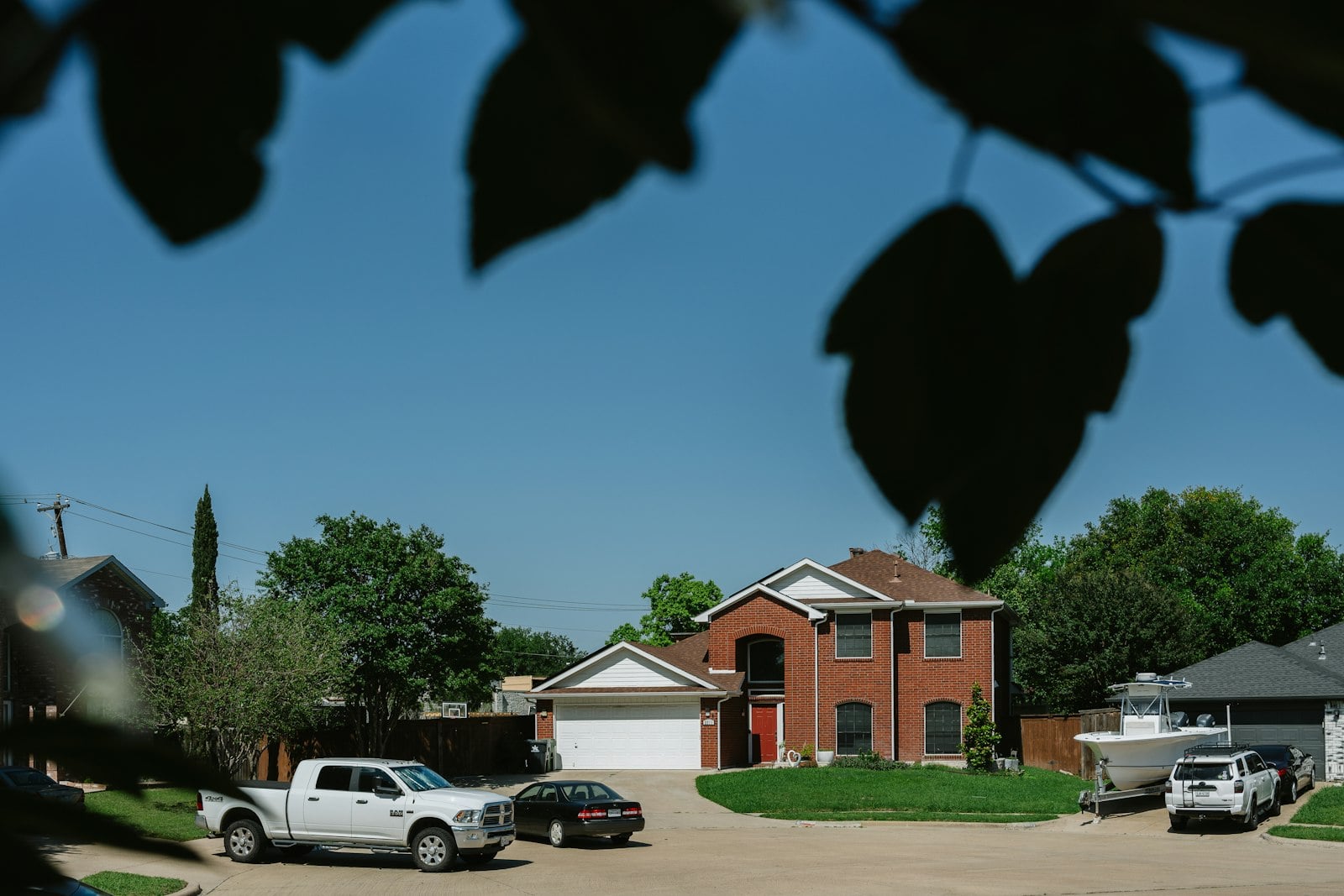
Out on the Hill Country edge, spring storms bring wind-driven rain and hail. Roof and window leaks here often show up as a ceiling stain days later.
View Cedar Park service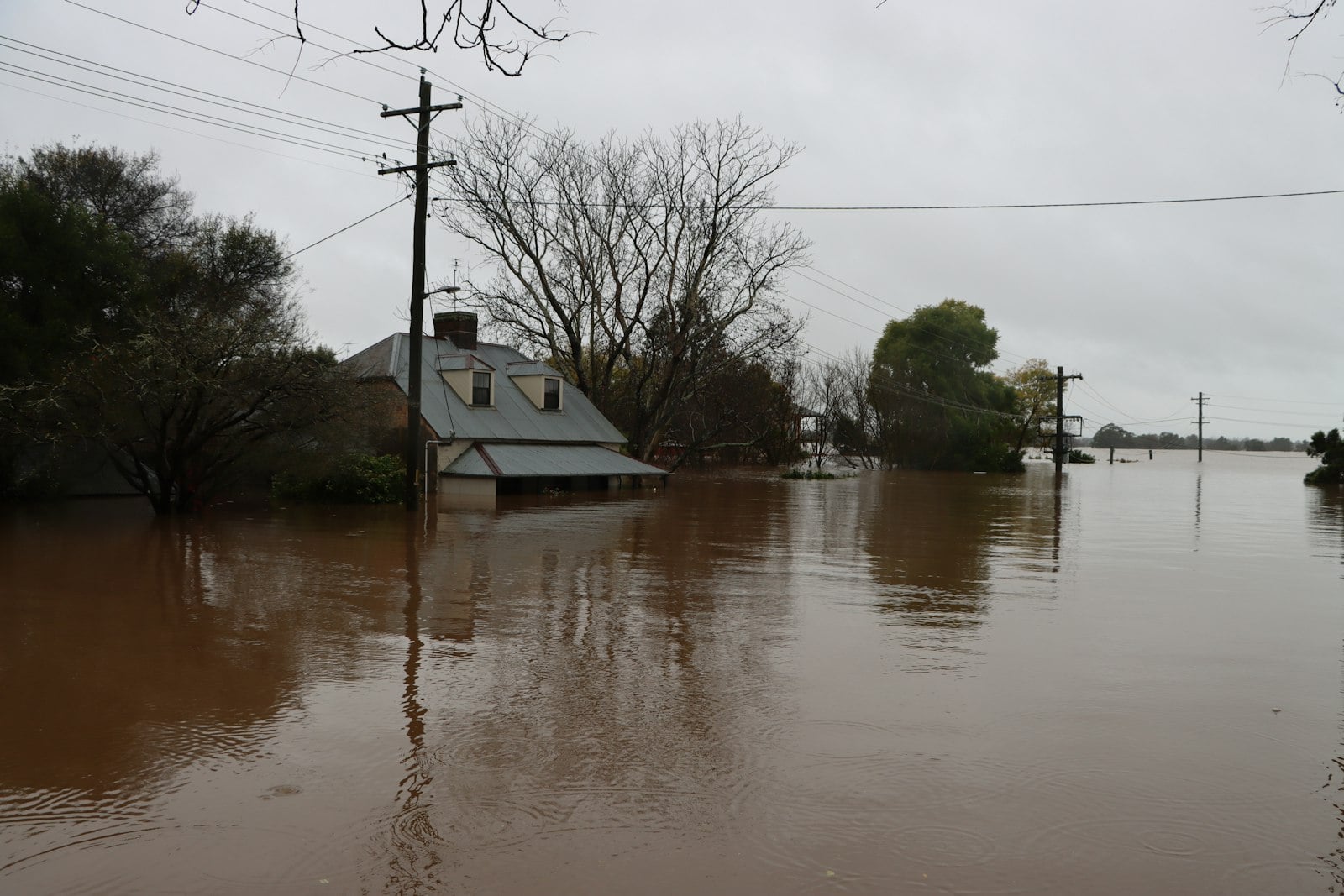
Flat ground east of I-35 and wide streets mean heavy rain sheets across yards toward the house rather than running off to a creek.
View Pflugerville serviceSome of the newest housing in the metro, on thin rocky soil that sheds water fast. Gutters and grading matter more here than people expect.
View Leander serviceHillside homes above Lake Travis, often with a lower level cut into the slope. Water that gets past a retaining wall or a blocked drain ends up inside.
View Lakeway serviceOnion Creek runs right through town, and the older streets near it have seen what a Hill Country downpour can push downstream in an hour.
View Buda serviceThousands of slab houses built along the I-35 corridor since the 2000s, with Plum Creek and Bunton Creek carrying the runoff from all of it.
View Kyle serviceWhere the two forks of the San Gabriel meet, with single-story slab homes and an old limestone square above them.
View Georgetown serviceHill Country lots west of the city near Lake Travis, where a downpour runs downhill over rock rather than soaking in.
View Bee Cave serviceThere is no set price, because the job is priced on the wet area, the type of water and how much material has to be replaced rather than dried. Clean water caught in an hour is a fraction of the work of a drain backup that sat for two days. Ask the independent provider for a written quote for extraction and drying, and a separate one for repairs. See what drives the drying or replacing decision.
Stop the water if there is a valve you can reach safely, then stay off wet flooring near outlets and out of any room with a sagging ceiling. Photograph everything before you move it and call for help. Call Austin Restoration Pros to be connected with an independent provider; availability varies. Read what to do in the first 24 hours.
Call Austin Restoration Pros to be connected with an independent provider serving Austin and nearby towns; availability depends on the provider and the property location. Mention an active leak or sewage backup and whether water is still arriving. See how the referral works.
Several days is typical for one or two rooms, but it depends on how much got wet, what it is made of and the weather outside. Ask the provider for an expected range after the first set of readings, updated each visit, rather than a promised number on day one. See how structural drying is measured.
Often yes for a clean-water job in part of the house, though the equipment is loud and the rooms get warm. Where sewage, floodwater or a torn-out ceiling is involved, staying elsewhere is usually the sensible call. Ask the provider which situation you are in. See how a restoration job runs.
No. Drywall above the waterline usually dries in place, and carpet can sometimes be saved after clean water. The pad underneath rarely survives, and after a drain backup or outside flooding the porous material comes out regardless of how it looks. The provider should decide on the category of water and the readings. Compare drying with replacing.
In warm, humid conditions it can begin in material that stays wet within roughly a day or two, and Austin spring and summer air makes that faster. That is the whole reason drying should start promptly rather than at the weekend. Treating the moisture source is the actual fix. Read about mold remediation after a leak.
It depends on the cause and your policy. A pipe that suddenly splits is usually treated very differently from water rising in from outside, which often needs a separate flood policy. Ask your carrier before assuming either way, and document everything from the first hour. Read the plain-language notes on claims.
Stop running water anywhere in the building, including appliances, close the room off and keep children and pets out. Do not pour drain chemicals in and leave the air conditioning off. This is cleaned with protective equipment, not a mop, and an independent provider should handle it as a biohazard. See how sewage cleanup works.
Availability and scheduling depend on the provider and the property location. After a widespread storm or freeze the whole region calls at once, so say whether water is still arriving when you call. Check the towns listed.
Call to describe where the water is and whether it is still coming in, and be connected with a provider.