Water Damage Insurance Basics
Nobody reads their policy until they need it. Austin Restoration Pros explains, in plain language, what insurers usually ask for after water damage and what to document from the first hour.
- 24/7 Emergency Response
- Upfront Quotes
- Drying & Repairs
By the Austin Restoration Pros team · Updated September 2026
Start With the Obvious Warning
Nothing here is a promise about your policy or your claim. Cover varies between carriers, between policies and between properties, and only your insurer can tell you what yours does. What follows is what tends to matter in practice, so that the conversation with your carrier is a shorter one.
Sudden Damage and Rising Water Are Different
The distinction that catches most people out is between water that escaped inside the building and water that rose into it from outside. A pipe that splits, a supply line behind a washing machine that lets go, a water heater that fails: these are usually treated as sudden, accidental damage. Water rising in from a creek, a street or saturated ground is generally handled separately and often needs a specific flood policy.
In Central Texas that distinction has teeth. This region sees both, sometimes in the same year, and a house can be damaged by a freeze in February and by runoff in May with two completely different outcomes. If you live anywhere near a creek in the Austin area, it is worth asking your carrier directly what you have, before the weather asks for you.
The Other Thing Adjusters Look For
The second common sticking point is gradual damage. Most policies are written around sudden events rather than long-term seepage, so a leak that has been quietly wetting a cabinet base for a year is treated differently from the same pipe bursting overnight. This is one practical reason to act on the signs of hidden water damage rather than watching a stain for a season to see whether it grows.
Related to that is mitigation. Policies generally expect you to take reasonable steps to limit further damage once you know about it, which means shutting the water off, calling someone and getting the drying started rather than leaving a wet room for a two weeks. Reasonable steps do not mean doing anything unsafe.
What to Document From the First Hour
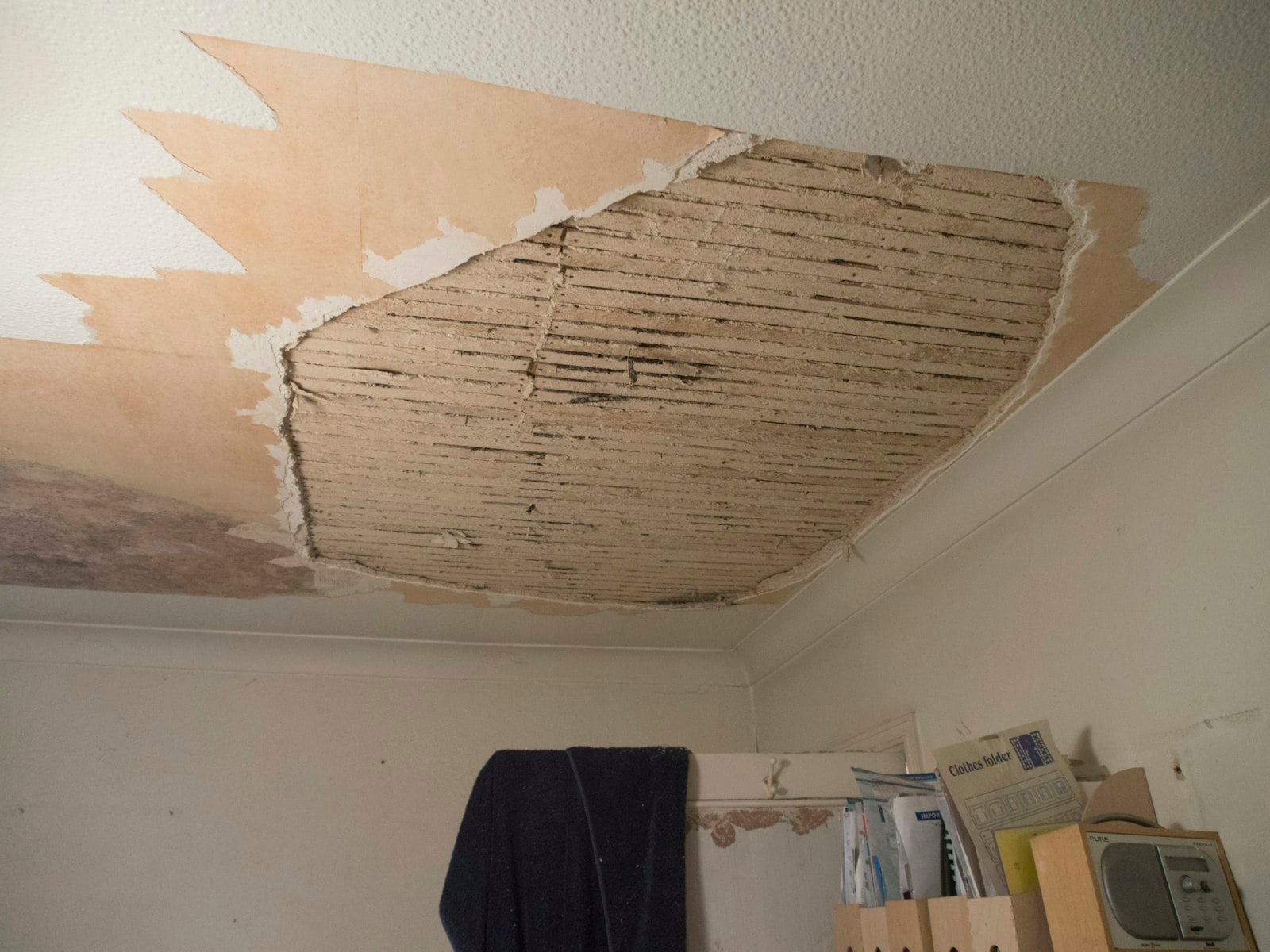
The paperwork side is genuinely simple if you do it as you go. Photograph or video every affected room before anything is moved, including the waterline on the walls, wet flooring, the ceiling and the source if it is visible. Note the date and time you discovered it and when the water was shut off. Keep any damaged item until you are told you can dispose of it, and photograph it if it has to go for hygiene reasons.
Keep the receipts for anything you spend because of the damage, including emergency work and somewhere to stay if the property is unusable. Write down the name of everyone you speak to and when. Ask your carrier for the claim number early and use it on everything.
What a Restoration Company Should Give You
A proper file from the restoration side does a lot of the work for you. Expect photographs from before anything was disturbed, a moisture map or set of readings showing how far the water travelled, a daily drying log with readings at the same points, a written scope listing what was removed and what was dried, and a final set of readings showing the structure reached a dry standard.
That is the evidence an adjuster works from, and it is also how you check the work yourself. Austin Restoration Pros produces that documentation as standard on extraction and drying jobs, residential and commercial alike, because the same records that support a claim also show the drying was actually finished rather than abandoned when the equipment was collected.
Questions Worth Asking Your Carrier
Ask whether the cause you are describing is covered and under which section. Ask what your deductible is for this type of loss. Ask whether the policy covers matching materials where only part of a floor or a run of cabinets is damaged. Ask whether alternative accommodation is included if the property cannot be lived in. Ask whether they want to inspect before anything is removed, and how quickly they can do that, since waiting several days before drying starts creates its own problems.
Local Conditions Worth Mentioning
Be specific about what happened, because in this area the same address can flood for different reasons. Onion Creek and its neighbors rise fast when a storm sits over the hills, and in a widespread event your carrier will be dealing with a whole area at once. Around Buda, for instance, a claim from a creek rising is a very different conversation from a claim for a split pipe in the same street. Tell them which one you have, with the photographs to match, and read the storm and flood cleanup page if outside water was involved.
Arrange an Inspection
Documentation is easier when it starts on day one. Austin Restoration Pros covers Austin and the surrounding towns day and night, and the readings and photographs from the first visit become the basis of both the scope and the claim file. If you are weighing what will be saved and what will be replaced, read drying and restoring compared with tearing out and replacing, then check how to request a visit.