Storm and Flood Cleanup
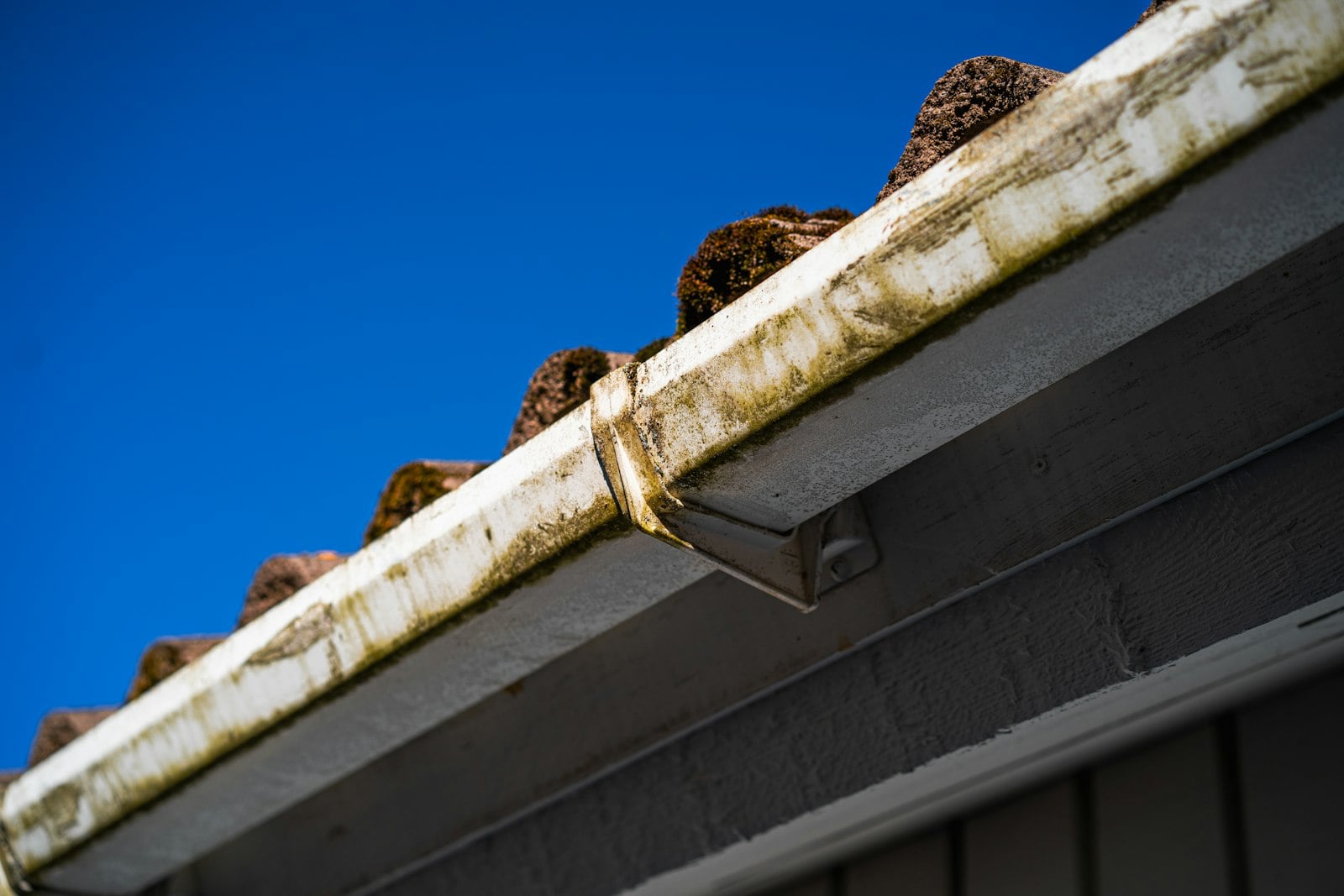
On a hillside lot the whole slope drains past the house. One blocked outlet is enough.
Storm and Flood CleanupLakeway homes sit on steep ground above Lake Travis, many of them stepped into the hillside with a lower level, a retaining wall and drainage that has to work in a downpour. When it does not, the water arrives from uphill. Independent providers cover the RM 620 corridor; availability varies.
On a hillside lot the whole slope drains past the house. One blocked outlet is enough.
Storm and Flood Cleanup
A lower level takes the water first, and it is usually the finished part of the house.
Emergency Water Extraction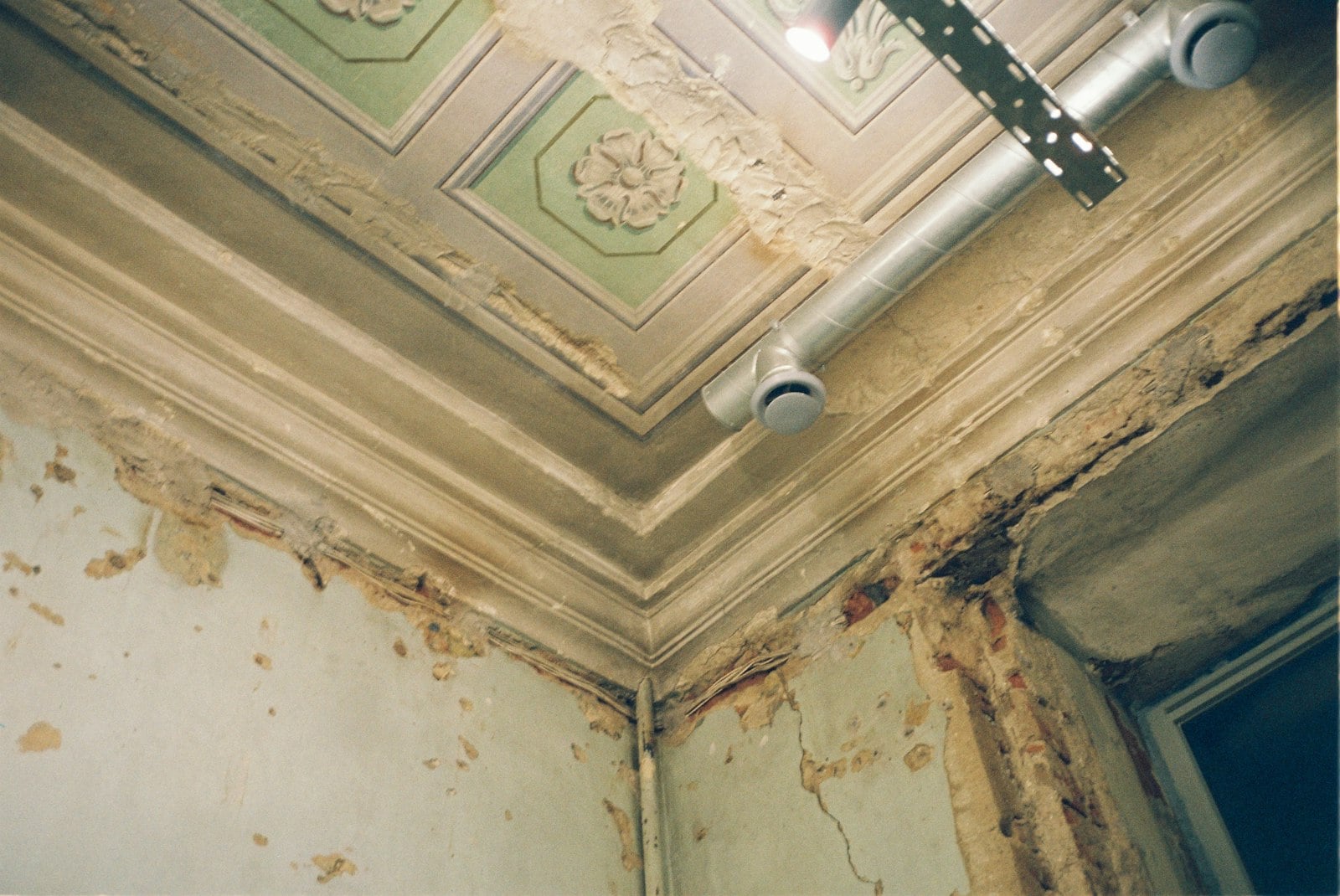
Lake air is humid, and a below-grade room that never fully dried shows it first.
Mold RemediationDescribe the driveway and the levels when you call. A lot of Lakeway properties have steep, narrow approaches, gated entries and a good distance from where a truck can stand to where the water is, and drying equipment plus hose runs have to reach. Say which level is affected, whether there is a lower or walk-out level, and how the provider gets in.
It is also worth saying what is uphill of you. Where a house is cut into the slope, water coming off the ground above arrives at the back wall rather than at the front door, and a French drain, a weep hole or a retaining wall outlet that has silted up will send it inside. If the same corner has been wet before, that is the most useful thing to mention on the call.
These hold humidity naturally and dry slowly. Drying a room that is partly underground takes different equipment from drying an upstairs bedroom.
Retaining wall drains, swales and downspout outlets do the real work. When one blocks, the water follows the next easiest path, which is often the house.
Steep driveways, gates and long runs from the street affect how long setup takes. Flagging it on the call avoids a wasted first visit.
Lakeway houses tend to have finishes worth trying to save, and on a clean-water job there is often a real case for drying rather than removing. Where the water came off the hillside it is a different conversation, because outside water is treated as contaminated and carpet, pad and the bottom of the drywall generally go regardless of what they cost.
Our comparison of drying and restoring against tearing out and replacing sets out how the call is made, and the drying page explains why a below-grade room takes longer. Just south along RM 620 the same hillside problems turn up on the Bee Cave page, and for the newer housing further north on the same limestone, see the Cedar Park page, or check how the referral works.
The wet area, the type of water, the finishes involved and how long equipment has to stay. A below-grade room with high humidity takes longer to dry than the same square footage upstairs, and that shows in the figure. Ask the provider to quote the drying and the rebuild separately so you can see both.
Calls from Lakeway and the RM 620 corridor are connected with an independent provider; availability varies. Have the address, the level affected and truck access ready, then see the services page for what each stage of the work covers.
Availability and scheduling depend on the provider, the property location and road conditions, since a low crossing may close in a storm. Say on the call if water is still arriving.
Yes, mainly because of electricity. Outlets, floor boxes and equipment on a lower level are often at or below the water line, so keep out of the room and leave the circuits for that area off until it has been checked. If the water came from outside, treat it as contaminated and wear boots and gloves.
It depends on the water and the material. Clean water caught quickly on a tile or sealed concrete floor often means drying alone; carpet and pad in the same room usually come out. An independent provider should read moisture in the wall base and the slab before advising, and the restore-or-replace comparison explains the thinking.
It can. Humid air off the lake, plus a room cut into the hillside, means the air already holds moisture before drying starts, so dehumidification does more of the work than airflow does and the job can run longer. It is also why opening windows to air a room out here often makes things worse rather than better. See how drying equipment works for the reason.
Say which level is wet and how a truck can reach the house.