Removing water, mud and debris
Standing water is pumped out, silt is shovelled and washed out, and soaked carpet, pad and yard debris are bagged and taken away.
Water that comes in from outside brings silt, yard waste and whatever the street was carrying. Austin Restoration Pros clears it out, removes what cannot be cleaned and dries the building back to normal.
Do not turn the heating or air conditioning back on until the system has been checked, because ductwork under a slab floor or in a soaked attic will just move contaminated air around the house. Wear boots and gloves, keep children and pets out, and photograph everything before you move it.
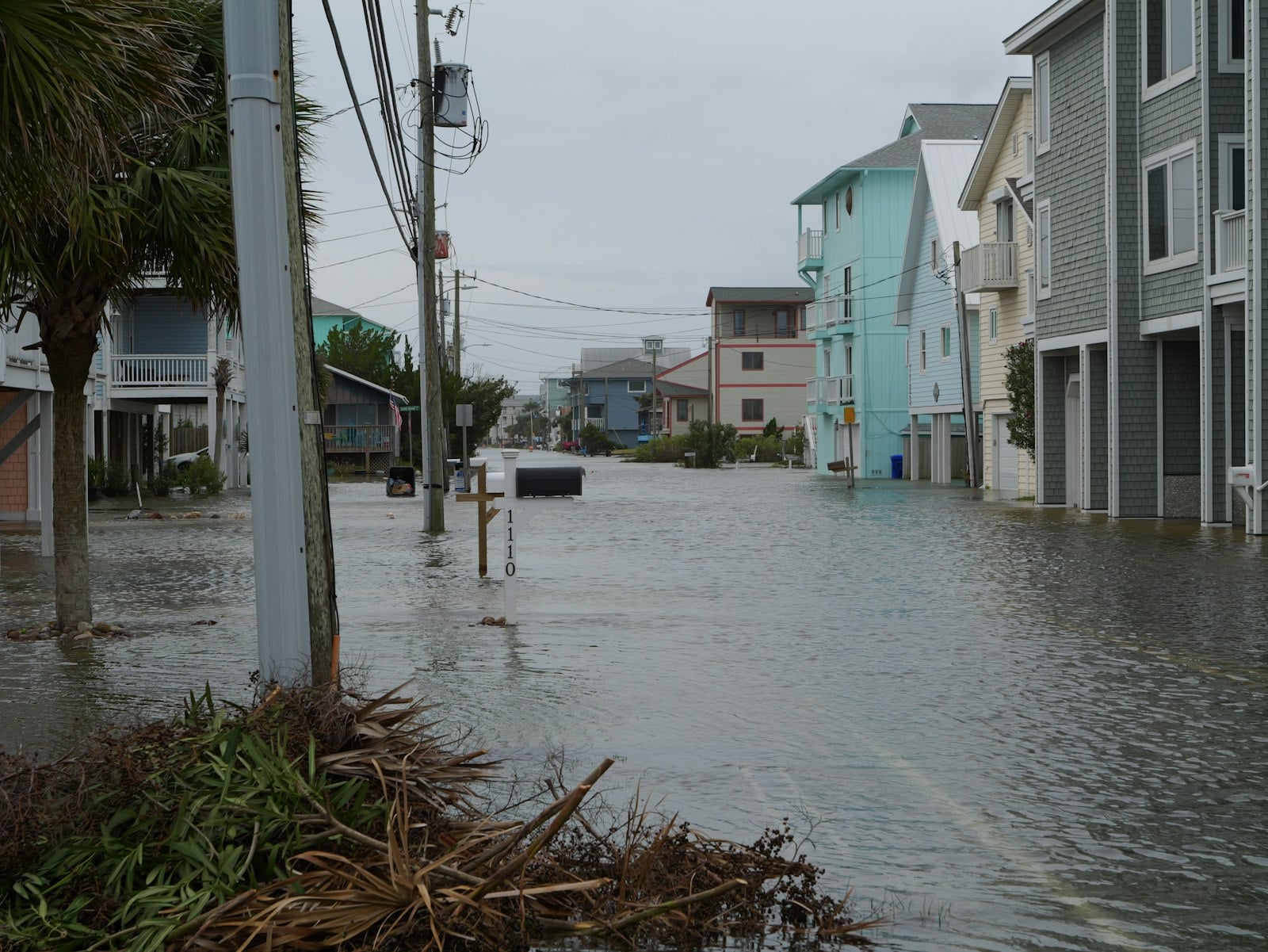
Outside water is treated as contaminated, which changes what can be saved compared with a clean supply leak.
Standing water is pumped out, silt is shovelled and washed out, and soaked carpet, pad and yard debris are bagged and taken away.
Hard surfaces, slab, framing and the inside of cabinets are cleaned and treated. Porous material that soaked in floodwater generally goes rather than being cleaned in place.
Once the building is clear, air movers and dehumidifiers run until framing, slab and drywall reach the same readings as an unaffected part of the house.
Austin sits in Flash Flood Alley, where the Balcones Escarpment squeezes storm rainfall off shallow soil and limestone into creeks that rise far faster than a river would. Shoal Creek, Waller Creek, Onion Creek and Walnut Creek have all done it, and both the Memorial Day storm and the Halloween storm in 2015 put water into homes well away from the water's edge. A house does not have to be near a creek to flood: blocked storm inlets, a driveway that slopes toward the door, a full gutter or a low patio can all send water inside in a single afternoon.
Roof and window leaks from a hailstorm belong in the same category. They usually show up as a ceiling stain days later rather than as visible flooding. Whatever route the water took, cleanup runs into extraction, drying and a decision about materials that you can read about in the restore-or-replace comparison.
Storm work covers Austin and towns including Buda, where Onion Creek runs through the middle of town. See the full service area.
Treat it as contaminated. Street runoff picks up whatever it crosses, including fuel, fertilizer and sewage from overwhelmed drains. Wear boots and gloves, keep children and pets away, wash thoroughly afterwards and do not run the air conditioning until the system has been checked.
Usually not. The pad underneath holds contaminated water and comes out in almost every case. Carpet itself sometimes survives a clean-water job but rarely a flood. Austin Restoration Pros tells you which category you are in before anything is removed.
Water from a burst pipe and water rising in from outside are usually handled very differently, and rising water often sits under a separate flood policy. Ask your carrier before assuming either way, and read our plain-language notes on claims first.
As soon as it is safe to get into the building. In warm, humid Austin weather, growth can begin in wet material within a day or two, so the gap between the water going down and the drying starting is what decides how big the job becomes.
Once it is safe to get back in, call and tell us how high the water came.