Does Renters Insurance Cover Basement Flooding in Austin?
Does renters insurance cover basement flooding? For Austin renters, the short answer is: usually not when the water is a flood from outside, but often yes when the water came from a sudden, accidental source like a burst pipe or broken washer hose. Your belongings, your landlord's building and the cause of the water all matter. Call to be connected with a local water damage provider.
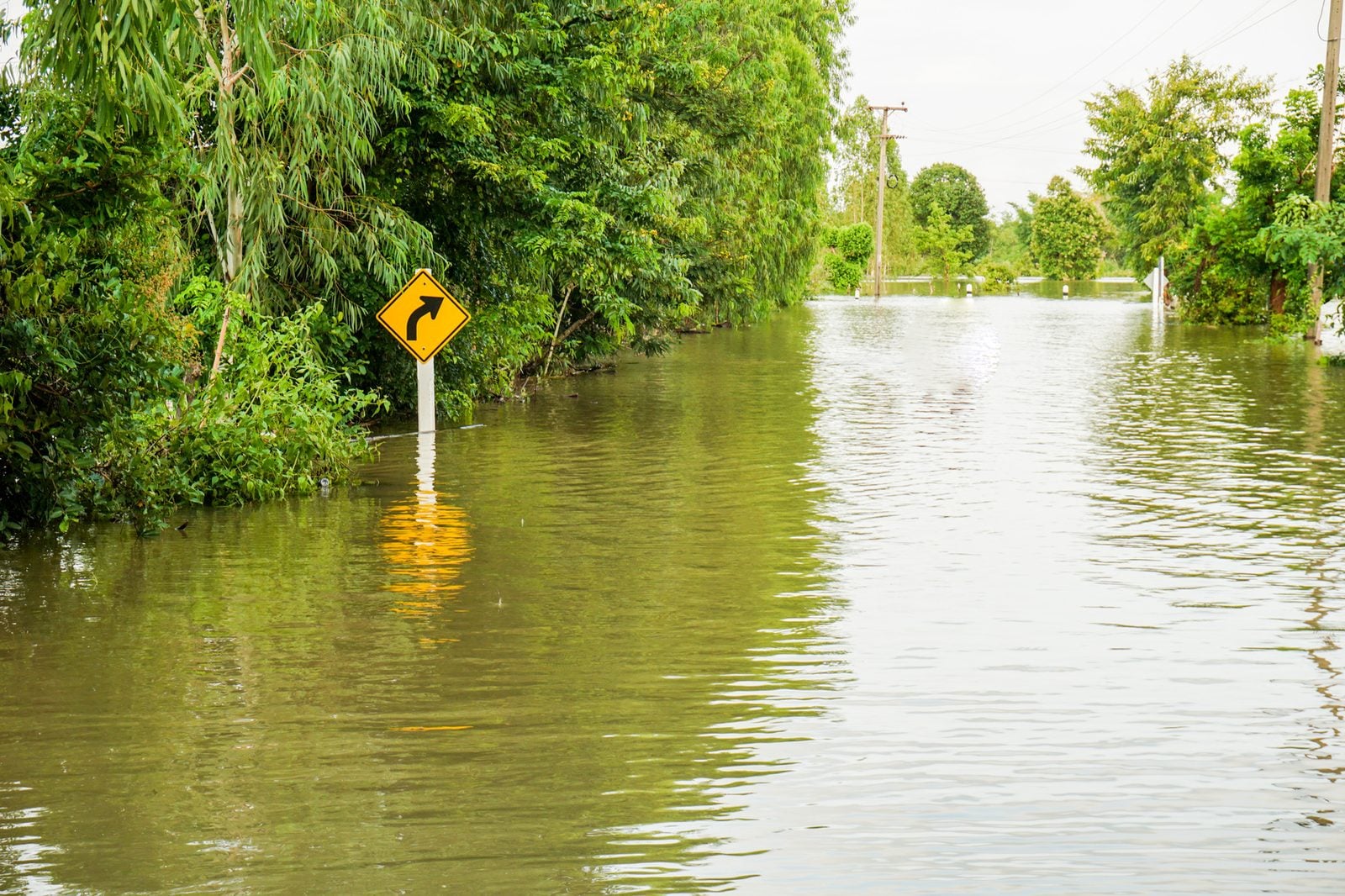
- TDI says most renters policies cover sudden and accidental water damage, such as a burst pipe or broken washer hose, but usually not gradual leaks or seepage.
- TDI says standard home policies won't pay for flooding, and flood coverage requires a separate policy.
- Most flood policies have a 30-day waiting period, so buying one when a storm is coming is usually too late.
- Your renters policy covers your things. The building itself usually falls under your landlord's policy.
- TDI warns that mold can start growing within a day after a leak, so start drying and documenting right away.
Does renters insurance cover basement flooding in Austin?
In Austin, renters insurance usually does not cover basement flooding caused by rising water from outside, such as a flash flood or heavy rain pouring in through a window well or door. It often does cover sudden, accidental water from inside the home, like a burst pipe or an overflowing toilet. The cause of the water decides most claims.
The Texas Department of Insurance (TDI) explains that most homeowner and renters policies cover sudden and accidental water damage, such as a burst pipe, toilet overflow or broken washer hose, but usually won't cover damage from gradual leaks or seepage. TDI also says a standard policy won't pay for flooding, and that flood coverage requires a separate policy.
That is general guidance, not a promise about your policy. Every policy is different, so read your declarations page and the water section of your renters policy before you assume anything. If water is in your lower level right now, stop the source if you safely can, take photos, and call to be connected with a local provider.
Myth: "Any water in my basement is covered by renters insurance."
Fact: renters insurance in Austin and across Texas is built around named causes of loss, and flood is usually not one of them. Water from a sudden indoor source is treated very differently from surface water that seeps or flows in from outside.
Here is how insurers often sort it:
- Sudden indoor water, like a supply line that bursts or a water heater that fails suddenly, is often treated as covered damage to your belongings.
- Flood water, meaning surface water from heavy rain, creeks or rising water, is usually excluded and needs a separate flood policy.
- Gradual seepage through walls or slabs over weeks is usually excluded as a maintenance issue.
- Water that backs up through a drain or sewer line is often its own category and may need an added option on your policy.
Many policies treat sudden damage differently from gradual leaks, so check your policy and document everything. For a general walk-through of the claim process, see our guide to water damage insurance claim basics.
Myth: "My landlord's insurance will pay for my belongings."
Fact: in most Austin rentals, the landlord's policy covers the building, not the tenant's furniture, clothes and electronics. If water ruins your things in a lower-level unit, your own renters policy is usually where any claim for your belongings starts.
The landlord's side typically handles the walls, floors, built-in cabinets and building systems. Your side covers what you brought in. When the water comes from a building failure, such as a broken pipe inside a wall, the landlord still has to deal with the structure, and you deal with your contents. Talk to both insurers if you are not sure, and keep copies of every message.
Tell your landlord or property manager in writing as soon as you find water. Your lease may require quick notice, and a dated message helps everyone. Then photograph your damaged items before anything is thrown out.
Need help now? Call to be connected with a local provider in Austin who can check availability for your address.
Does renters insurance cover a sewer or drain backup in a basement?
Often not by default. Many renters policies treat water that backs up through a floor drain, toilet or sewer line as a separate risk, and some insurers offer it only as an added option, often called water backup coverage. Check your policy for the words "water backup" or "sewer backup" to see where you stand.
Backup water is also a cleanup concern. Water that comes up from a sewer line can carry contamination, so it should not be handled like clean water from a supply line. Stay out of the water, keep children and pets away, and do not try to save soaked soft items like mattresses or upholstered furniture without guidance. The sewage backup cleanup page explains what that cleanup usually involves.
If you do not have backup coverage now, ask your agent whether it can be added before the next heavy rain season.
Myth: "Austin homes don't have basements, so this doesn't apply to me."
Fact: most Austin-area homes sit on slabs, but plenty of renters still live in below-grade or ground-level space. Think garden-level apartments, walk-out lower floors on Hill Country slopes, converted garages and older homes with cellars. The coverage rules are the same whether the room is called a basement or not.
The National Association of Home Builders reports that 97.9% of new single-family homes in the West South Central region, which includes Texas, were built on slab foundations in 2024. That figure is for new homes only, and older housing differs. Lower-level units on sloped lots in places like Lakeway and Bee Cave can take water from the uphill side during a storm.
What matters for your claim is where the water came from, not what the room is called. Rising surface water is usually flood. A burst pipe in the ceiling is usually sudden indoor water.
Myth: "I can buy flood coverage when the forecast looks bad."
Fact: TDI notes that most flood policies have a 30-day waiting period before coverage starts. If you rent in a flood-prone part of Austin and wait for a storm warning, you will usually be too late for that storm.
Renters can ask an agent about a flood policy that covers belongings only. You do not need to own the building to protect what is inside your unit. TDI's home insurance guidance is clear that a standard policy won't pay for flooding and that flood coverage requires a separate policy.
Austin's flash flood history, covered below, is the main reason to review this before storm season.
What should I do first if my basement or lower-level unit floods?
Stay safe first, then stop the water if you can, then document. In Austin, do not walk through standing water if outlets, cords or appliances may be touching it. Leave the area and call your landlord if the power cannot be shut off safely.
- Stay out of water near electricity, and stay out of any sewage.
- If a pipe burst and you can reach it, close the shutoff valve. Austin Water says the owner's shutoff is typically on the owner's side of the meter at the meter box.
- Tell your landlord or manager in writing.
- Take photos and video of the water, the source and every damaged item before moving anything.
- Call your renters insurer to report the loss and ask what they need.
- Call to be connected with a local provider for water removal and drying.
TDI warns that mold can start growing within a day after a leak and that hidden water damage usually must be reported within days after you first see it. The storm and flood cleanup page covers what drying a flooded space involves.
What happens when a water damage provider visits?
A local water damage provider in Austin usually starts with an inspection, then explains your options, then gives a written quote before any work begins. You stay in control of the decisions, and the paperwork can help your claim.
During the inspection, the provider looks for where the water came from and how far it spread. Moisture meters can show wet drywall, flooring and baseboards that look dry on the surface. Photos and readings taken at this stage become part of your record.
Next comes the explanation of options: what needs to be removed, what can be dried in place, and what drying equipment is needed. As a renter, ask that the landlord be included in decisions about walls and floors. Last, you get a written quote. Share it with your insurer and landlord before approving work.
Why do Austin renters face basement and lower-level flooding?
Austin renters face flooding because the city sits in Flash Flood Alley, an area with one of the greatest flash flood risks in the United States, according to the Lower Colorado River Authority. The National Weather Service says Austin has a history of devastating flash floods, and lower-level units take the water first.
One example: on October 30-31, 2013, 10 to 12 or more inches of rain over central Hays County sent Onion Creek at US 183 in southeast Austin to a record crest of 40.15 feet, flooding hundreds of homes. Renters in Buda, Kyle and southeast Austin know how fast creeks can rise. The LCRA also notes that Lake Travis can capture floodwaters but cannot prevent flooding along the creeks that feed the Colorado River.
Freezes are the other local trigger, and freeze damage is usually sudden indoor water, not flood. Sub-freezing temperatures happen about 12 days a year on average at Camp Mabry but 33 days at Austin-Bergstrom Airport. After the February 2021 winter storm, insurers reported 31,823 claims in Travis County and 14,439 in Williamson County, which includes Round Rock, Cedar Park and Georgetown. TDI warns a renters policy might not pay for frozen pipe damage if you didn't take steps to protect your pipes.
Before you head out in a storm, check ATXFloods.com for road closures and never cross water at a low water crossing. Renters in Round Rock, Pflugerville and Leander can call the same number to be connected with a local provider.
Related pages
Questions people ask
Does renters insurance cover basement flooding in Austin?
Usually not if the water is a flood from outside. Renters policies often cover sudden, accidental indoor water, like a burst pipe, but TDI says standard policies won't pay for flooding. Check your own policy.
Does renters insurance cover water damage from a burst pipe in my apartment?
Often yes, for your belongings. TDI says most renters policies cover sudden and accidental water damage like a burst pipe. The building repairs usually fall to the landlord.
Is flood damage ever covered by a regular renters policy?
Usually not. TDI says flood coverage requires a separate policy. Renters can ask an agent about flood coverage for belongings.
Can a renter buy flood insurance without owning the building?
Yes, renters can usually buy flood coverage for their belongings. Ask an agent, and remember most flood policies have a 30-day waiting period.
What's the difference between flood damage and water damage for insurance?
Flood usually means surface water from outside, like rain or a rising creek. Water damage usually means sudden water from inside, like a pipe or appliance. Policies treat them very differently.
Does renters insurance cover sewer backup in a basement?
Often not unless you added water backup coverage. Many policies treat drain and sewer backup as a separate risk. Look for "water backup" in your policy.
Who pays for water damage in a rental, the landlord or the tenant?
It usually splits. The landlord's policy typically covers the building, and your renters policy covers your belongings. Your lease and the cause of the water also matter.
Will my landlord's insurance replace my furniture after a flood?
Usually not. A landlord's policy generally covers the structure, not the tenant's things. That is why renters insurance exists.
Does renters insurance cover water seeping through basement walls?
Usually not. TDI says policies usually won't cover gradual leaks or seepage. Report ongoing seepage to your landlord in writing.
Are frozen pipes covered by renters insurance in Texas?
Often, but not always. TDI warns a renters policy might not pay for frozen pipe damage if you didn't take steps to protect your pipes, so follow freeze precautions.
Does renters insurance cover mold after a basement flood?
It depends on the cause. TDI says mold on an item damaged in a covered loss would be covered, but mold from a flood is not.
How fast do I need to report basement water damage to my insurer?
As soon as you can. TDI says hidden water damage usually must be reported within days after you first see it, and each policy sets its own deadline.
What should I photograph for a renters insurance water claim?
Photograph the water, the source and every damaged item before you move or toss anything. Wide shots and close-ups both help.
Should I throw out wet things before the adjuster comes?
Not before you document them. Take photos and keep a list first. Ask your insurer before discarding items, unless they are a health concern like sewage-soaked soft goods.
How long does an insurer in Texas have to respond to my claim?
As summarized by TDI, an insurer must acknowledge a claim within 15 days and accept or deny it within 15 business days of getting all the information it needs. This is general guidance, not legal advice.
Do Austin apartments really have basements?
Few do, since most Austin homes sit on slabs. But garden-level units, walk-out lower floors and converted spaces flood the same way, and the same insurance rules apply.
Is flash flooding a real risk for renters in Austin?
Yes. The NWS says Austin is in Flash Flood Alley and has a history of devastating flash floods. Lower-level units near creeks take the water first.
Can I start drying my unit before the insurance adjuster comes?
Usually yes, after you document the damage. Insurers generally expect you to prevent further damage, and TDI warns mold can start growing within a day.
Who do I call to dry out a flooded lower-level apartment in Austin?
Tell your landlord first, then call to be connected with a local water damage provider. Share the written quote with your landlord and insurer.
How do I check if my renters policy covers basement flooding?
Read the water and exclusions sections of your policy and ask your agent directly whether it covers flood and water backup. Get the answer in writing.
Talk to someone about your water damage problem
Call to be connected with a local provider who can check availability for your address and explain the next step.