Commercial Water Damage Repair for Austin Landlords
Commercial water damage repair in Austin looks different when you own or manage the building and someone else runs the business inside it. You have to stop the water, tell the right tenants, protect the record for the owner and the insurer, and get each suite dry. Call to be connected with a local provider.
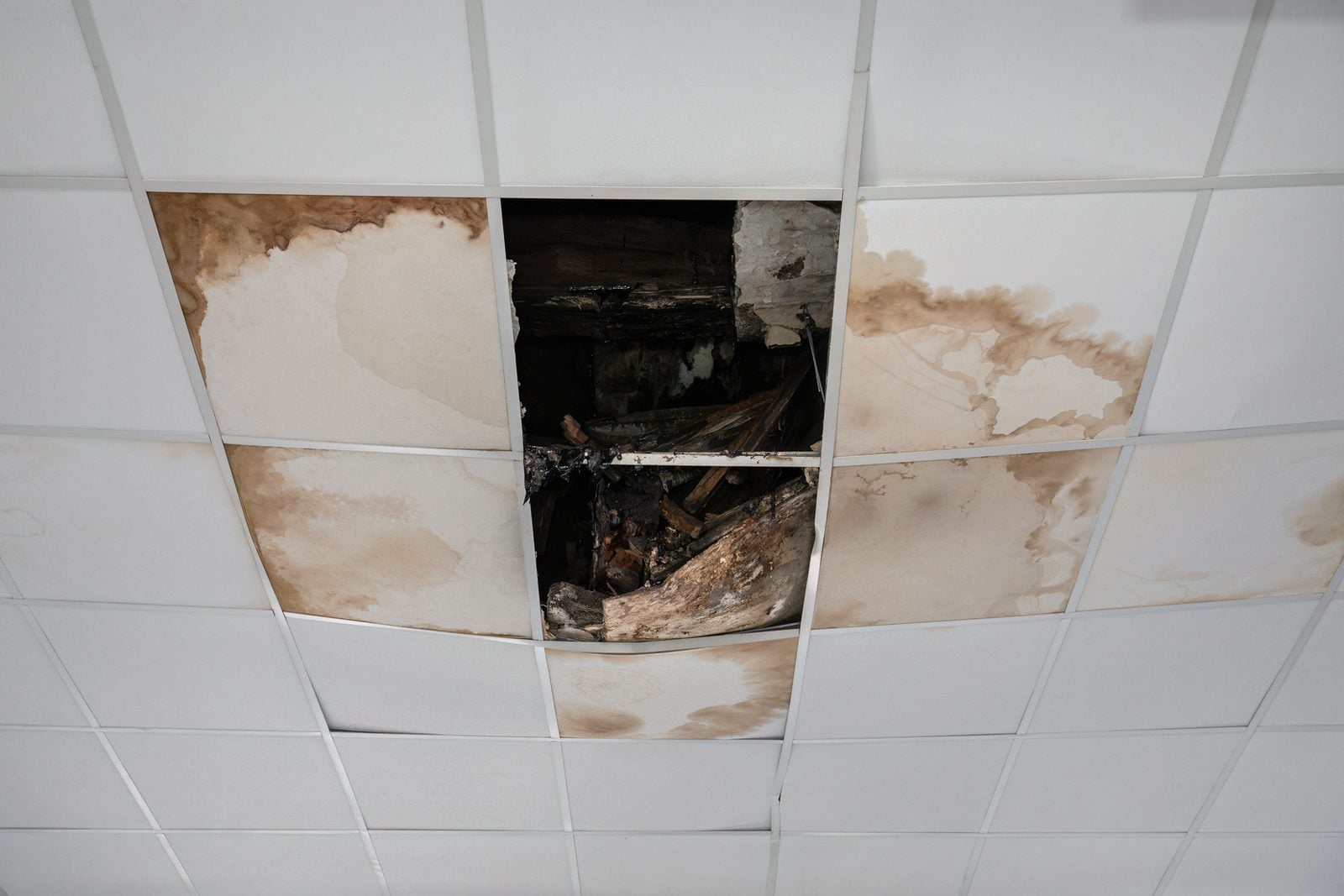
- In a leased building, the first job is finding whose water it is and who controls the shutoff.
- TDI warns that mold can start growing within a day after a leak, so drying should not wait for lease questions to be settled.
- Many policies treat sudden damage differently from gradual leaks. Check the building policy and the tenant's policy, and document everything.
- Austin sits in a region the NWS calls Flash Flood Alley, and freezes hit low-lying sites more often than central Austin.
- Mold work in Texas is regulated by TDLR, so larger mold jobs need a licensed assessor and remediator.
What does commercial water damage repair involve for a landlord in Austin?
For an Austin landlord or property manager, commercial water damage repair means stopping the source, removing standing water, drying the structure and then rebuilding, while keeping tenants informed and the record clean for the owner and the insurer. The technical work matches any other job. The coordination is what changes.
A single failed supply line can cross several suites, a shared corridor and the unit below. Each space may have a different tenant, a different lease and a different policy. The general steps are covered on the commercial water damage restoration page. This page focuses on the owner and manager side of the job.
Who is responsible for water damage in a leased commercial space?
It depends on the lease, the source of the water and the policies in place. As a rule of thumb, the building structure and shared systems often sit with the owner, and tenant improvements, stock and equipment often sit with the tenant. Read the lease before anyone signs a work order.
- Building systems: main lines, risers, roofs and fire sprinklers are usually the owner's concern.
- Tenant fixtures: a tenant's dishwasher, ice machine or break-room sink may be the tenant's concern.
- Shared walls and ceilings: water from one suite into another can involve both parties and both insurers.
Do not let the question of who pays hold up drying. Get the water stopped and the space dried, and sort out the split with good records.
What should a property manager do in the first hour?
Stop the water, make the area safe, tell the people affected and start taking pictures. Those four steps protect the building, the tenants and any later claim. Most of the cost of a commercial leak comes from water left in place, not from the first spill.
Know where the shutoffs are before you need them. In the City of Austin, the owner's shutoff valve is typically on the owner's side of the water meter at the meter box. Larger buildings often have floor or riser valves too. If the source is a burst line, the burst pipe cleanup page explains what usually comes next, and the emergency water extraction page covers removing standing water.
Need help now? Call to be connected with a local provider in Austin who can check availability for your address.
How do you keep tenants open during commercial water damage repair?
Ask for a plan that isolates the wet area and moves the loudest work outside business hours. Containment walls, careful hose routing and phased drying can let a dry suite or part of a floor keep trading while a wet one is worked on.
Tell the provider which tenants cannot lose access, such as a clinic, a restaurant kitchen or a server room. Drying equipment draws steady power, so ask early which circuits it will use and whether a tenant's equipment shares them. Write down every access time agreed with each tenant so nobody is surprised at the door.
What happens during the visit?
The provider inspects the affected suites and shared areas, explains the options and gives you a written quote before work starts. You should come away knowing what is wet, what can be dried in place and what likely has to come out.
- Inspection: moisture readings in walls, floors and ceilings, including spaces next to and below the leak.
- Options explained: what can be dried and kept, what should be removed, and how the work could be phased around tenants.
- Written quote: a scope and price in writing before work begins, ideally split by suite or by area so costs can be assigned.
Ask how long equipment may need to stay and what would change that. Drying depends on materials and conditions, so treat any estimate as a plan, not a promise. The structural drying page explains how that part works.
What documentation do owners and insurers usually want?
Owners and insurers usually want photos, moisture readings, a list of damaged materials, a written scope and a record of when each step happened. Many policies treat sudden damage differently from gradual leaks, so a clear timeline matters. Check every policy involved and document everything.
- Date and time the leak was found and when the water was shut off
- Photos and video of the source, each affected suite and tenant property
- Daily moisture readings and drying logs
- Copies of tenant notices and any access agreements
- Separate notes for building damage and tenant property
The insurance claim basics guide covers the general steps. It is general information, not a coverage promise.
When does a commercial leak turn into a mold or sewage problem?
A leak becomes a mold concern when materials stay wet, and it becomes a sewage job when the water came from a drain, toilet or sewer line. Both need a different approach from clean-water drying, and both change what tenants should be told.
Water from a restroom block or a restaurant floor drain should be contained before anyone works near it. The sewage backup cleanup page explains why. If you see or smell mold, the mold remediation page covers the next step. In Texas, TDLR regulates mold assessment and remediation, so larger mold jobs need licensed companies.
Should you repair one suite at a time or the whole building at once?
Usually the wet areas get dried together, and the rebuild is phased suite by suite. Drying everything at once stops moisture moving between spaces. Phasing the repairs keeps more tenants open and lets each suite's costs stay separate.
A vacant suite is a good time to replace rather than patch, since nobody is waiting to reopen. An occupied suite may favor drying in place where it is reasonable. The dry and restore vs replace guide walks through that choice. A roof or parapet leak is its own case, covered on the roof leak water damage page.
Why do Austin commercial buildings see water damage?
Austin's weather gives commercial owners both flood and freeze risk. The NWS says Austin is in a region known as Flash Flood Alley and has a history of devastating flash floods. Ground-floor retail and loading doors near creeks take the first hit when heavy rain arrives. Check ATXFloods.com for road closures before sending anyone to a property during a storm.
Freezes are the other risk. Sub-freezing temperatures occur about 12 days a year on average at Camp Mabry but 33 days at Austin-Bergstrom Airport, so properties in low-lying areas can freeze more often. After the February 2021 winter storm, insurers reported 31,823 claims in Travis County and 14,439 in Williamson County, as of March 31, 2022, across all lines of insurance. On February 1, 2023, ice on trees and power lines caused outages across the metro, some lasting a week or more, which can leave an unheated building at risk.
Providers may serve commercial property in Austin, Round Rock, Cedar Park, Pflugerville, Georgetown and Kyle. See the full service areas list.
Related pages
Questions people ask
Who do I call for commercial water damage repair in Austin if I manage the building?
Call to be connected with a local provider who handles commercial water damage repair in Austin. Have the address, the source if known, which suites are affected and who can give access.
Is the landlord or the tenant responsible for water damage in a commercial building?
It depends on the lease and where the water came from. Building systems and structure often sit with the owner, while tenant fixtures, stock and equipment often sit with the tenant. Read the lease and talk to each insurer.
Should I wait for the insurance adjuster before starting drying in a commercial space?
Usually no. Most insurers expect you to limit further damage, so stop the water, document everything and start drying. Keep photos and readings so the adjuster can see what was there.
What should I tell tenants after a leak in my building?
Tell them what happened, which areas are affected, when access may be limited and who to contact. Put it in writing and keep a copy for the file.
Can tenants stay open while water damage is being dried?
Often, yes, in the parts of the building that are dry. Containment and after-hours work can keep other suites trading. Ask the provider which areas really need to close.
How do I find the water shutoff for a commercial property in Austin?
In the City of Austin, the owner's shutoff valve is typically on the owner's side of the water meter at the meter box. Larger buildings often also have riser or floor valves, so walk the building and label them before an emergency.
What documents should I keep for a commercial water damage claim?
Keep photos, video, moisture readings, a written scope, drying logs, tenant notices and a timeline. Separate building damage from tenant property so each policy can be handled clearly.
Does insurance cover water damage in a commercial building?
It depends on the policy. Many policies treat sudden damage differently from gradual leaks, and flood is often handled separately. Check the building policy and each tenant's policy, and document everything.
How fast can mold grow after a leak in an office or store?
TDI warns that mold can start growing within a day after a leak. That is why drying should start as soon as the water is stopped, even while lease questions are still open.
Do I need a licensed company for mold in a Texas commercial building?
For larger mold jobs, yes. TDLR regulates mold assessment and remediation in Texas, and companies doing that work must be licensed unless an exemption applies. You can check a license with the TDLR license search.
What if water from one tenant's suite leaked into another suite?
Treat it as one event with two sets of damage. Stop the source, document both spaces separately and let both tenants and both insurers know. The lease usually decides who handles what.
Is it better to dry everything at once or one suite at a time?
Dry the wet areas together, then phase the rebuild. Drying at once stops moisture moving between spaces, and phased repairs let more tenants stay open.
How does a provider handle ceiling tiles and carpet tile in commercial space?
Wet mineral ceiling tiles usually come out, and the grid is cleaned and dried. Glued carpet tile may be dried or lifted, depending on the water source and how long it was wet.
What should I do with a vacant suite that got wet?
Treat it the same as an occupied one. Dry it promptly, since a closed, unheated or uncooled suite can hold moisture and grow mold. A vacancy can also be a good time to replace damaged materials.
Do Austin freezes really cause commercial water damage?
Yes. After the February 2021 winter storm, insurers reported 31,823 claims in Travis County alone, across all lines. Unheated suites and exposed lines in low-lying areas are most at risk.
What should a written quote for commercial water damage repair include?
It should list the affected areas, what will be dried, what will be removed, the equipment involved and the price. Ask for it split by suite or area so costs can be assigned to the right party.
How do I prepare my Austin building before the next freeze or flood?
Label every shutoff, insulate exposed lines, keep suites heated in freezing weather and know which entrances take water in a storm. Keep tenant contacts and policy numbers in one place.
Talk to someone about your water damage problem
Call to be connected with a local provider who can check availability for your address and explain the next step.