Flood Damage Restoration in Austin After Fall Storms
Flood damage restoration in Austin after a fall storm starts once the water has gone down and the home is safe to enter. Document the damage, pull out soaked items and get walls and floors drying quickly, because TDI warns mold can start growing within a day. Call to be connected with a local provider.
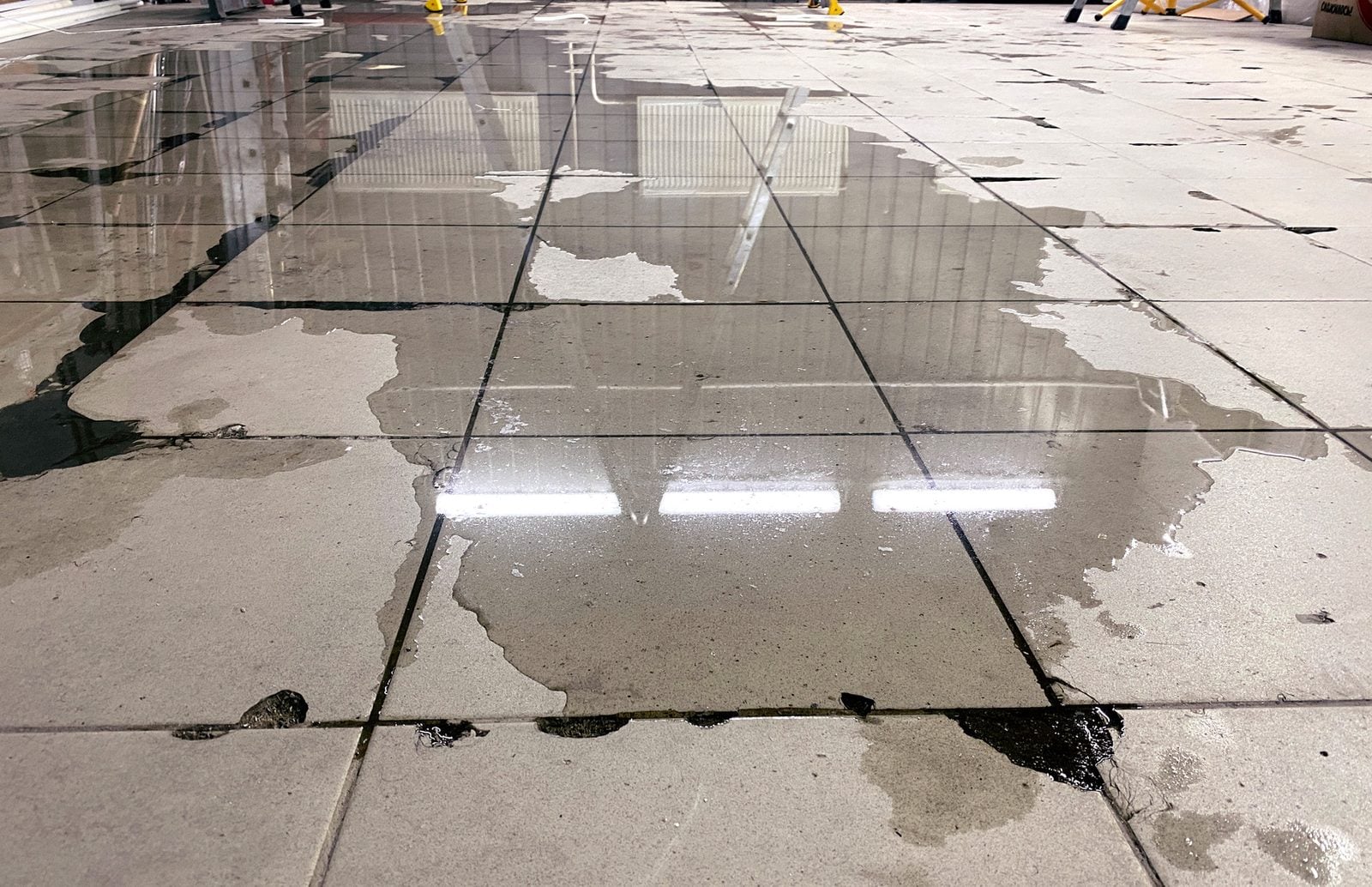
- The NWS says Austin is located in a region known as Flash Flood Alley and has a history of devastating flash floods.
- Some of the worst floods in the Austin area's NWS record came in October, including October 17-18, 1998 and October 30-31, 2013.
- TDI says a homeowners policy won't pay for flooding, and flood coverage requires a separate policy.
- TDI warns that mold can start growing within a day after a leak, so drying should not wait.
- The City of Austin points residents to ATXFloods.com for flood road closures and warns not to cross low water crossings.
What to do first
- Stay out of moving water. Do not walk or drive through low water crossings, and check ATXFloods.com for road closures.
- Do not enter a flooded room if water may be touching outlets, cords or the electrical panel. If the panel is wet, leave it to the utility or an electrician.
- Take photos and video of the water line on the walls, the damaged items and the outside of the home before you clean anything.
- Move dry belongings to a higher floor or out of the house, and keep pets away from the floodwater.
- Call to be connected with a local flood damage restoration provider in Austin.
What does flood damage restoration in Austin involve?
Flood damage restoration in Austin means removing floodwater and mud, taking out materials that cannot be saved, cleaning what is left and then drying the structure before any rebuilding. It is more involved than a clean pipe leak because water from outside brings dirt and debris with it.
- Water and mud removal: pumping and extracting standing water, then shoveling and washing out silt. The emergency water extraction page explains this step.
- Removal of soaked materials: carpet pad, insulation and the lower part of drywall are often cut out after outside floodwater.
- Drying: air movers and dehumidifiers run until moisture readings reach normal levels. See the structural drying page.
- Repair: new drywall, trim, flooring and cabinets once everything is dry.
Why do fall storms bring so much flood damage to Austin?
Fall storms matter in Austin because the area sits in what the LCRA calls Flash Flood Alley, a region with one of the greatest risks for flash floods in the United States. Heavy autumn rain can turn creeks into rivers in a few hours, and several of the area's worst recorded floods came in October.
The NWS records floods on October 17-18, 1998 in the San Antonio and Austin metro areas that killed 31 people, and an October 30-31, 2013 storm that dropped 10-12+ inches of rain over central Hays County. That does not mean every fall brings a flood, but late-season storms deserve real respect.
Is floodwater damage different from a burst pipe leak?
Yes. Floodwater that comes in from outside is treated as dirty water, while a burst supply pipe usually starts as clean water. That difference changes what can be kept, how surfaces are cleaned and often how insurance treats the loss.
Rising water from a creek, street or yard can carry soil, sewage and chemicals. Most providers recommend removing porous materials it soaked, such as carpet pad and insulation. A clean leak from a supply line can sometimes be dried in place. If your damage came from a pipe instead, the burst pipe cleanup page covers that situation.
Need help now? Call to be connected with a local provider in Austin who can check availability for your address.
What can be saved after a flood, and what usually has to go?
After outside floodwater, hard and sealed materials can often be cleaned and kept, while soft, porous materials that soaked up the water usually have to be removed. The longer things stay wet, the shorter the list of what can be saved.
- Often kept: concrete slabs, ceramic tile, solid wood framing, metal furniture and many hard-surface items after cleaning.
- Often removed: carpet and pad, insulation, wet drywall up to a set height above the water line, particleboard cabinets and upholstered furniture.
The dry and restore vs. replace guide explains how that call gets made.
How fast should drying start after floodwater gets inside?
Drying should start as soon as the home is safe to enter and the water is out. TDI warns that mold can start growing within a day after a leak, and flooded walls and floors hold far more water than a small spill.
Fans alone rarely dry a wall cavity or a subfloor, which is why professional drying uses dehumidifiers and moisture meters. If mold does show up, the mold remediation page explains next steps. In Texas, TDLR regulates mold assessment and mold remediation businesses.
What happens during a flood damage restoration visit?
A flood damage restoration visit starts with an inspection, then an explanation of your options, then a written quote before any work begins. You should know what will be removed, what will be dried and why before anything is torn out.
- Inspection: the provider walks each room, checks how high the water reached and takes moisture readings in walls, floors and cabinets.
- Options explained: what can be cleaned and dried in place, what likely needs removal and how the drying will be monitored.
- Written quote: a written scope and quote before work starts, which also helps with your claim paperwork.
The how it works page walks through the same steps.
How does insurance treat flood damage in Texas?
In Texas, flood damage and water damage are usually handled by different policies. TDI says a homeowners policy won't pay for flooding, and flood coverage requires a separate policy. Check your own policy and document everything before you clean up.
A few points from TDI guidance:
- Most flood policies have a 30-day waiting period before coverage starts, so buying one as a storm approaches usually comes too late.
- Flood insurance doesn't pay for burst-pipe damage. That kind of loss falls under a home or renters policy, depending on the policy.
- Mold from a flood is not covered, according to TDI, and most home policies don't include mold cleanup and testing after the damaged item is removed.
The water damage insurance claim basics guide covers the paperwork side.
How do I choose a water damage repair company after a flood?
Choose a water damage repair company that inspects first, explains what it found and gives you a written quote before work starts.
- Which materials do you plan to remove, and why?
- Will I get a written scope and quote before you start?
- If mold is found, who handles it? In Texas, mold work is regulated by TDLR, and anyone can check a mold license with TDLR's license search.
Call to be connected with a local provider who handles emergency water damage restoration services in the Austin area.
How can I get my Austin home ready before the next fall storm?
The most useful steps happen before the rain: know your flood risk, decide on flood coverage early and make a quick record of what you own. Small steps now make flood damage restoration in Austin simpler later.
- Look at flood coverage well ahead of storm season, since most flood policies have a 30-day waiting period.
- Walk through the house and record a video of each room and closet.
- Keep important papers and keepsakes off the floor in low rooms and garages.
- Bookmark ATXFloods.com so you can check road closures before you drive.
Which Austin-area communities have seen flood damage before?
Flood damage has hit neighborhoods across the Austin metro, not only homes beside the river. The NWS says Austin is located in a region known as Flash Flood Alley and has a history of devastating flash floods.
On October 30-31, 2013, 10-12+ inches of rain over central Hays County sent Onion Creek at US 183 in southeast Austin to a record crest of 40.15 ft, flooding hundreds of homes. That same storm caused flash and river flooding on the Blanco River, San Marcos River and Onion Creek, the waterways closest to Buda and Kyle.
On the west side, the LCRA says Lake Travis is the only one of the six Highland Lakes designed to capture and store floodwaters, but it cannot prevent flooding along creeks and streams that feed the Colorado River. That matters for creekside homes in Lakeway and Bee Cave. During storms, the City of Austin directs residents to ATXFloods.com for real-time road closures.
Providers may serve homes across Austin, Buda, Kyle, Lakeway, Bee Cave, Round Rock and Pflugerville. See the full service areas list.
Related pages
Questions people ask
Who do I call for flood damage restoration in Austin after a storm?
Call to be connected with a local provider who handles flood damage restoration in Austin. Have your address, how high the water reached and which rooms were affected ready when you call.
Is it safe to go back into my house after a flash flood in Austin?
Only go back in once the water has gone down and officials say the area is safe. Watch for electrical hazards, sagging ceilings and slippery mud, and do not enter a room where water may be touching outlets or the electrical panel.
Can I clean up flood damage myself or do I need a professional?
You can handle small jobs, like a little water on a tile floor, yourself. When outside floodwater soaked carpet, drywall or insulation, a provider with drying equipment and moisture meters can find water you cannot see and dry the structure properly.
Does homeowners insurance cover flood damage in Texas?
Usually not. TDI says a homeowners policy won't pay for flooding and that flood coverage requires a separate policy. Check your own policy and talk with your agent about your situation.
How soon after a flood can mold start growing in my house?
Fast. TDI warns that mold can start growing within a day after a leak, so it is smart to start drying as soon as the home is safe to enter.
Do I have to tear out drywall after my house floods?
Often yes, at least the lower part. When dirty floodwater soaks drywall, the wet section and the insulation behind it are usually cut out so the wall cavity can be cleaned and dried.
What is a flood cut and why do restoration providers do it?
A flood cut is a straight cut along the wall a set distance above the water line. It removes the wet drywall in one clean line so the studs and insulation behind it can be cleaned, dried and checked.
Can I buy flood insurance right before a storm hits Austin?
It usually will not help for that storm. TDI notes that most flood policies have a 30-day waiting period before coverage starts, so it is better to decide on flood coverage well before storm season.
What is the difference between flood damage restoration and regular water damage restoration?
Flood damage restoration deals with dirty water from outside, so it involves more removal and cleaning. Regular water damage restoration often starts with clean water from a pipe or appliance, where more materials can be dried in place.
What do emergency water damage restoration services do first after a flood?
They make the home safe, remove standing water and mud and start removing materials that cannot be saved. After that, they set up drying equipment and check progress with moisture readings.
Has Onion Creek flooded homes in southeast Austin before?
Yes. The NWS reports that on October 30-31, 2013, heavy rain over central Hays County sent Onion Creek at US 183 in southeast Austin to a record crest of 40.15 ft, flooding hundreds of homes.
Does Lake Travis stop flooding in Lakeway and Austin?
Not completely. The LCRA says Lake Travis is the only one of the six Highland Lakes designed to capture and store floodwaters, but it cannot prevent flooding along creeks and streams that feed the Colorado River.
Is it worth calling someone if only my garage flooded?
Often yes, if water reached drywall or stored boxes. Garage walls can wick water upward, so a quick inspection shows whether drying is needed.
Should I get a written quote before flood cleanup starts?
Yes. Ask for a written scope and quote after the inspection and before work starts. It shows what will be removed and dried, and it is useful for your insurance paperwork.
How do I check if roads near my house are flooded after a storm in Austin?
Check ATXFloods.com, which the City of Austin points residents to for real-time flood road closures. The City also warns not to cross water at low water crossings on foot or in a vehicle.
Talk to someone about your water damage problem
Call to be connected with a local provider who can check availability for your address and explain the next step.