Does Renters Insurance Cover Water Leak Damage in Austin?
Does renters insurance cover water leak damage? For Austin renters, it often depends on two things: whether the leak was sudden or slow, and whether the damage is to your belongings or your landlord's building. Policies differ, so check yours, document everything, and call to be connected with a local water damage provider.
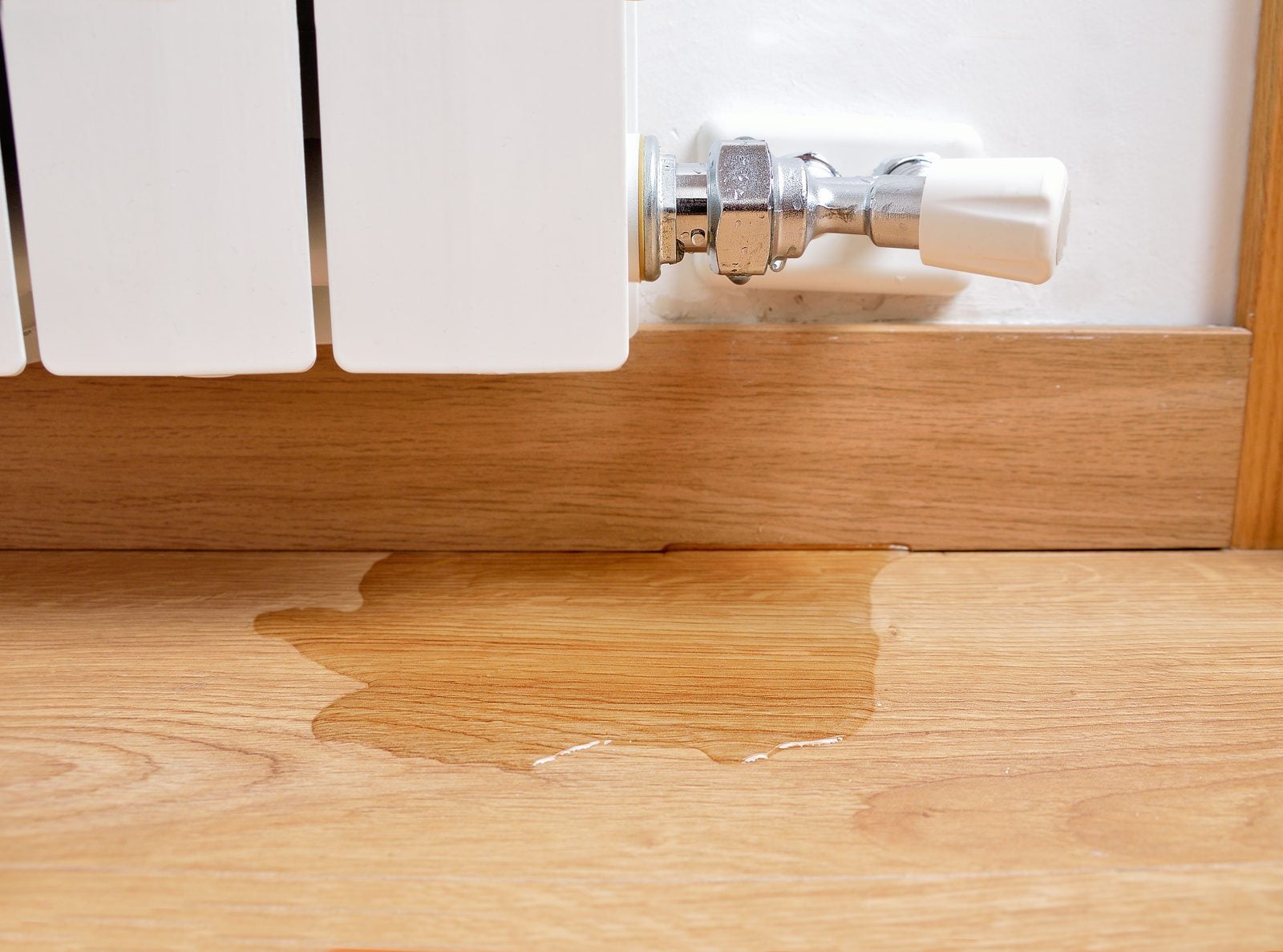
- TDI says most renters policies cover sudden and accidental water damage, like a burst pipe or broken washer hose, but usually not gradual leaks or seepage.
- TDI's home insurance guide says policies won't cover a continuous water leak.
- Your renters policy is generally for your belongings. The walls, floors and pipes usually fall under your landlord's policy.
- TDI warns that mold can start growing within a day after a leak, so stop the water and start drying quickly.
- Hidden water damage usually must be reported within days after you first see it, according to TDI.
Does renters insurance cover water leak damage in Austin?
Often yes for your belongings when the leak was sudden and accidental, and often no when the water seeped slowly over weeks. In Austin, a renters policy usually looks at the cause of the leak first, then at whose property was damaged. Your own policy wording decides the answer.
The Texas Department of Insurance (TDI) says most homeowner and renters policies cover sudden and accidental water damage, such as a burst pipe, toilet overflow or broken washer hose, but usually won't cover damage from gradual leaks or seepage. TDI's home insurance guide also says policies won't cover a continuous water leak.
This is general guidance, not a promise about your claim. Read the water and exclusions sections of your policy, and get any answer from your insurer in writing.
What should I do right now if I find a water leak in my rental?
Stop the water if you safely can, tell your landlord in writing, and take photos before you clean up. Those three steps protect your health, your belongings and any renters insurance claim you may file in Austin.
- Stay safe. Keep away from water near outlets or cords, and out of rooms with a sagging ceiling.
- Stop the source. Close the valve under the sink, toilet or washer. For a bigger leak, Austin Water says the owner's shutoff valve is typically on the owner's side of the water meter at the meter box. Ask your manager where yours is.
- Notify your landlord in writing. A text or email with the time and a photo creates a dated record.
- Document. Take wide photos, close-ups and a short video of the source and every damaged item.
- Report the loss to your renters insurer and ask what they need from you.
- Call to be connected with a local provider to find hidden moisture and dry the space.
Why does sudden vs gradual matter so much for a leak claim?
Because many policies treat sudden damage differently from gradual leaks. A pipe that bursts on Tuesday is often seen as an accident. A drip behind the dishwasher that rotted the floor over months is often seen as a maintenance issue, and maintenance issues are usually excluded.
Here is how the difference often plays out for Austin renters:
- Sudden: a supply line splits, a washer hose bursts, a toilet overflows, or a pipe breaks in a freeze.
- Gradual: a slow drip under a sink, a shower that leaks into the wall, or a stain that kept growing on the ceiling.
- Gray areas: a leak that started suddenly but went unnoticed in a closet or behind a wall.
Damage you find late can still be worth reporting. Our guide to signs of hidden water damage explains what to look for. Report it quickly and let the insurer decide.
Need help now? Call to be connected with a local provider in Austin who can check availability for your address.
Whose insurance pays for a leak: mine or my landlord's?
Usually both policies play a part. Your renters policy is generally for what you own, like furniture, clothes and electronics. Your landlord's policy is generally for the building, like drywall, flooring, cabinets and plumbing. The cause of the leak and your lease can shift who handles what.
For example, if a pipe inside the wall bursts in an Austin apartment, the landlord typically handles repairs to the wall and floor, while you file with your renters insurer for a ruined couch or laptop. If your own actions caused the leak, such as leaving a tub running, the liability part of your renters policy may come into play for damage to the building or a neighbor's unit.
Many renters policies also include loss of use, sometimes called additional living expenses, which may help if a covered leak makes your unit unlivable. Check whether yours has it before you book a hotel.
What if the leak came from the apartment upstairs?
Tell your landlord or property manager right away, and file with your own renters insurer for your damaged belongings. Water from a neighbor's unit is a common source of ceiling leaks in Austin apartment buildings, and the building's management usually needs to stop it at the source.
Photograph the ceiling, the dripping water and your damaged items.
Your insurer may later look to the neighbor's policy or the landlord's policy to recover what it paid. Your job is to report quickly and keep records. The roof and ceiling leak water damage page explains how wet ceilings are usually handled.
How do I document a water leak for a renters insurance claim?
Photograph and list everything before you clean, move or throw anything out. Good records help your renters insurer understand when the leak started, where it came from and what it damaged in your Austin rental.
- Photos and video of the leak source, the water and the affected rooms.
- Close-ups of each damaged item, with brand and model labels if you can see them.
- A written list of damaged belongings, with roughly when you bought them.
- Copies of every message to your landlord, with dates.
- Any moisture readings or written reports from a water damage provider.
Keep damaged items until your insurer says you can discard them, unless they are a health concern. For a fuller walk-through of the claim steps, read our guide to water damage insurance claim basics.
What happens during the visit from a water damage provider?
A local water damage provider in Austin usually starts with an inspection, then explains your options, then gives you a written quote before any work begins.
Inspection. The provider finds where the water came from and how far it traveled. Moisture meters can show wet drywall, baseboards and flooring that look dry on the surface.
Options explained. You hear what can be dried in place, what may need to be removed, and what drying equipment the space needs. The burst pipe and leak cleanup page describes common steps after a pipe or supply line fails.
Written quote. You get the scope in writing before work starts. Share it with your landlord and your insurer before you approve anything.
Why do leaks hit Austin renters so hard after a freeze?
Austin freezes are short but sharp, and pipes in apartments, duplexes and older rental homes are often not built for long cold snaps. Over 1991-2020, Austin's average first freeze at Camp Mabry is December 1, and sub-freezing temperatures occur about 12 days a year there but 33 days at Austin-Bergstrom Airport.
The February 2021 winter storm showed what happens when a freeze lasts. Austin Water issued a citywide boil water notice on February 17, 2021, after so much water was lost to dripping faucets and broken pipes that storage fell well below its minimum. Insurers reported 31,823 claims in Travis County and 14,439 in Williamson County from that storm, across all lines of insurance.
TDI also warns that home and renters policies might not pay for frozen pipe damage if you didn't take steps to protect your pipes. Before a hard freeze, ask your landlord how to protect the pipes in your unit. Renters in Pflugerville, Round Rock, Cedar Park and Kyle can call the same number to be connected with a local provider.
Related pages
Questions people ask
Does renters insurance cover water leak damage if my landlord's pipe broke?
Often yes, for your belongings, if the break was sudden and accidental. The repairs to the pipe and the building usually fall to your landlord. Check your policy to confirm.
Does renters insurance cover a slow leak under my kitchen sink?
Usually not. TDI says most policies won't cover damage from gradual leaks or seepage. Report the leak to your landlord in writing so it gets repaired.
Will renters insurance pay if my dishwasher or washing machine leaked?
It may, if the leak was sudden, like a burst hose. TDI lists a broken washer hose as a common example of sudden water damage. A long, slow drip is treated differently.
Does renters insurance cover water damage from the apartment upstairs?
Your own renters policy is usually where a claim for your belongings starts. Tell your landlord right away, document the damage and report it to your insurer.
If my bathtub overflowed into the unit below, does my renters insurance help?
It may. The liability part of many renters policies can come into play when you accidentally damage someone else's property. Call your insurer and ask how your policy handles it.
Does renters insurance pay for a hotel if a leak makes my apartment unlivable?
Some renters policies include loss of use, also called additional living expenses. Check your policy and ask your insurer before you book, and keep every receipt.
Does renters insurance cover a leaking water heater in my rental?
It depends on the cause and what was damaged. A sudden tank failure may be treated differently from a slow leak, and the water heater itself usually belongs to the landlord.
Will my renters insurance cover a roof leak that ruined my couch?
It may, depending on your policy and the cause. Roof repairs are usually the landlord's job, while damaged belongings fall under your renters policy. Photograph the couch and the ceiling first.
Do I have to pay a deductible on a renters insurance water claim?
Usually yes. Your deductible is the share you pay before coverage applies, and it is listed on your declarations page. Compare it to your loss before you file.
Should I call my landlord or my insurance company first after a leak?
Tell your landlord first so the water can be stopped, then report the loss to your insurer. Do both quickly and in writing if you can.
What should I do if my landlord is slow to fix a leak in my Austin apartment?
Keep asking in writing and keep copies of every message. Read your lease for repair request steps, keep documenting the damage and protect your belongings in the meantime.
Can I file a renters claim for a leak that has been going on for a while?
You can report it, but gradual damage is often excluded. TDI says hidden water damage usually must be reported within days after you first see it, so do not wait.
Will filing a small water leak claim raise my renters insurance rate?
It can, depending on your insurer and claim history. Ask your agent how a claim may affect your policy before you decide whether to file.
Does renters insurance pay for my landlord's carpet or walls after a leak?
Usually not. Carpet that came with the unit, walls and floors are generally part of the building and fall under the landlord's policy, unless your actions caused the damage.
How do I prove a water leak was sudden for my renters claim?
Clear, dated records help most. Photos of the broken part, your first message to your landlord, and moisture readings or reports from a provider can all show what happened.
Does renters insurance cover water damage from a leaking AC drain line?
It depends on whether the water damage was sudden or built up over time. A clogged drain that overflowed once may be treated differently from a slow leak. Check your policy.
Is it worth calling a water damage provider for a small leak in my apartment?
Often yes, because water can spread under flooring and inside walls where you cannot see it. A provider can measure moisture and give you a written quote to share with your landlord.
What should I write to my landlord about a water leak?
Say where the leak is, when you found it, what it has damaged and what you have done so far. Attach photos and ask when it will be repaired.
Talk to someone about your water damage problem
Call to be connected with a local provider who can check availability for your address and explain the next step.