Roof Leak Repair in Austin: Who to Call First
Roof leak repair in Austin usually means two separate jobs: sealing the roof so no more water gets in, and drying the ceiling, insulation and walls the water already reached. A roofer handles the first. A water damage provider handles the second. Call to be connected with a local provider for the inside damage.
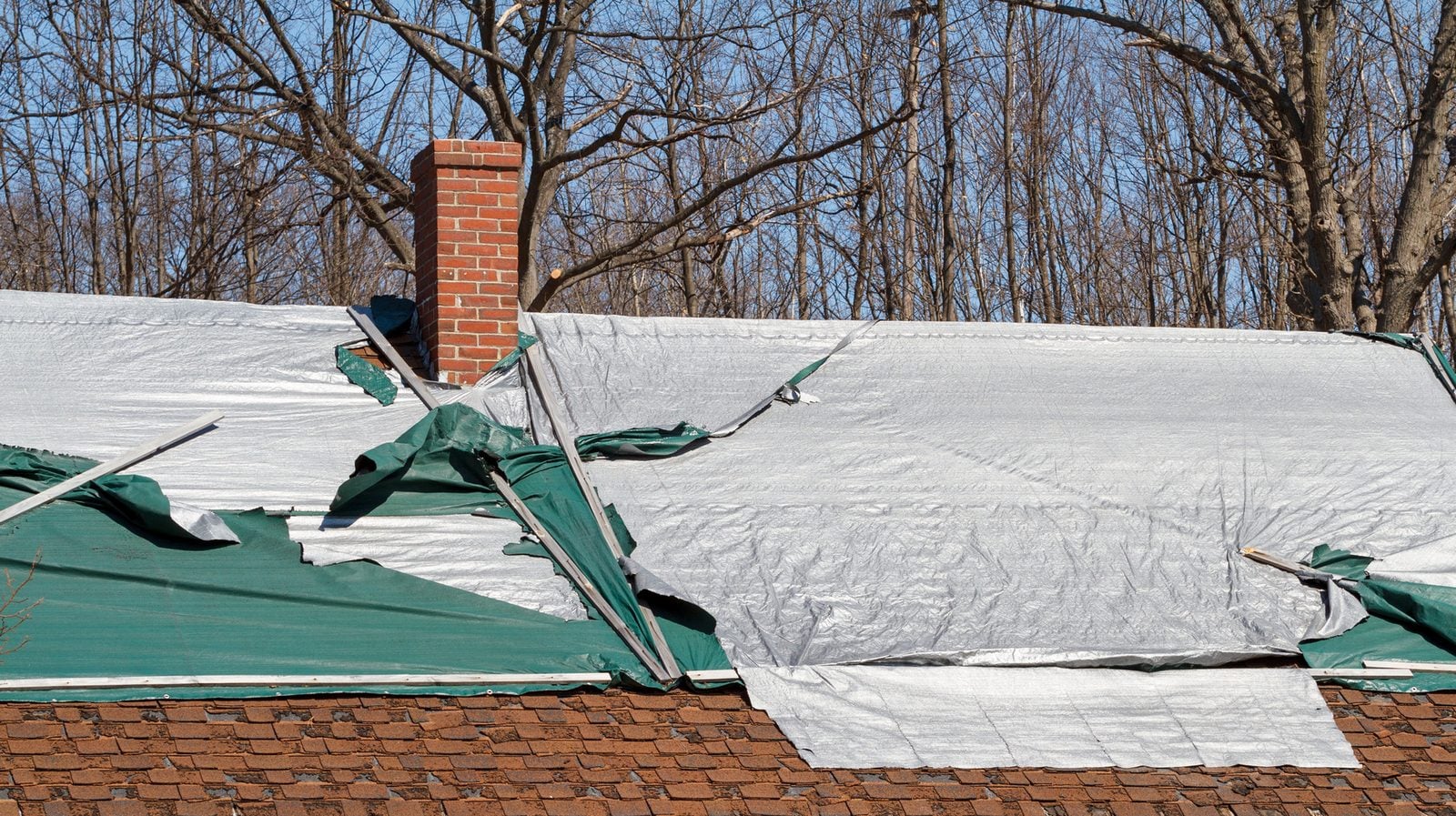
- A roof leak has two parts: the opening in the roof and the wet materials inside the home. Fixing one does not fix the other.
- TDI warns that mold can start growing within a day after a leak, so interior drying should not wait for the roof work.
- TDI says most home policies cover sudden and accidental water damage but usually not gradual leaks or seepage.
- The NWS says Austin is located in a region known as Flash Flood Alley, so heavy rain can find any weak spot in a roof.
- Photos of the ceiling, attic and roof taken before cleanup help with any insurance claim.
What to do first
- Put a bucket or tub under the drip and move furniture, rugs and electronics out of the wet area.
- If the ceiling is sagging or has a bulge of water, stay out from under it and keep pets and kids out of the room.
- If water is near a light fixture, ceiling fan or outlet, turn off that circuit at the breaker panel if you can reach it safely from a dry spot.
- Take photos and video of the ceiling, the wet floor and anything damaged before you clean up.
- Do not climb onto a wet roof. Leave the roof to a roofer once the weather clears.
Is roof leak repair a job for a roofer or a water damage provider?
Roof leak repair in Austin is often a job for both. A roofer finds and seals the spot where water is getting in. A water damage provider dries and, when needed, removes the wet ceiling, insulation and drywall inside. If you only call one, half the problem can be left behind.
Think of it this way. The roofer works outside and above the attic. The water damage provider works from the attic down to the floor. The roof and ceiling leak water damage page covers the inside side of the job in more detail.
Which should I call first after a roof leak in Austin?
If water is actively coming into the house, start with the inside damage and get a roofer lined up at the same time. A roof usually cannot be fixed in the rain, but wet drywall and insulation start getting worse right away.
- Call for water damage help first when water is dripping, the ceiling is stained and spreading, or carpet and floors are wet.
- Call a roofer first when you only see a small dry stain, a missing shingle or damage after a storm with no water inside yet.
- Call both when the leak is active and the roof damage is easy to see, such as after hail or a fallen limb.
A roofer may be able to put a temporary cover over the opening until the full repair can be done.
What does a roof leak do to the inside of a house?
A roof leak soaks the attic first, then the ceiling below, and sometimes runs down inside walls. By the time you see a stain, insulation above it may already be wet.
- Attic insulation: wet insulation packs down, holds water against the ceiling and dries slowly.
- Ceiling drywall: it stains, sags and can crack or fall if enough water collects.
- Wall cavities: water can follow framing down and show up far from the drip.
- Floors: carpet, pad and wood floors under the leak can trap water.
The guide to signs of hidden water damage shows what to look for in rooms next to the leak.
Need help now? Call to be connected with a local provider in Austin who can check availability for your address.
Can I wait for the roofer before drying the inside?
It is better not to wait. The Texas Department of Insurance (TDI) warns that mold can start growing within a day after a leak, and roofers are often busy after big storms. Drying the inside can start while the roof is still being scheduled.
Once the opening is covered, air movers and dehumidifiers can pull moisture out of the ceiling and walls. Moisture readings show when materials are truly dry, not just dry to the touch. The structural drying page explains how that works.
How do I know if the ceiling has to come down?
A ceiling may need to be opened if it is sagging, soft to the touch, or holding water. A small stain that dries out may only need sealing and paint after the area is checked with a moisture meter.
Wet insulation above the ceiling is another reason to open it. A provider may cut a small section to let water drain and to reach the attic side for drying. The page on dry and restore vs. tear out and replace covers how that choice is made.
What happens during the visit?
When you call, you are connected with a local water damage provider who comes out to look at the inside damage. The visit usually follows the same steps:
- Inspection: the provider checks the ceiling, attic, walls and floors under the leak with moisture meters to find how far the water spread.
- Options explained: you hear which materials can be dried in place and which may need to be removed, and why.
- Written quote before work: you get a written quote for the drying and any removal before work starts.
- Notes and photos: ask for moisture readings and photos, since they help with an insurance claim.
The provider can also tell you what to share with your roofer, such as where the water showed up inside.
How does insurance look at a roof leak in Texas?
It depends on the cause and your policy. TDI says most homeowner policies cover sudden and accidental water damage, but usually won't cover damage from gradual leaks or seepage. A leak that started with a storm may be treated differently than one that dripped slowly for months.
Many policies treat sudden damage differently from gradual leaks, so check your policy and document everything. TDI also says hidden water damage usually must be reported within days after you first see it. The water damage insurance claim basics guide walks through the steps.
What should I ask a roofer and a water damage provider?
Ask each one clear questions about their part of the job so nothing falls between them.
- Roofer: Where exactly was water getting in? Is the fix temporary or permanent? Will you send photos of the roof?
- Water damage provider: How far did the water spread? Can the ceiling be dried in place? What will the written quote include?
- Both: Can you share notes with each other and with my insurer?
Before hiring anyone, it also helps to read the how it works page.
Why do roof leaks show up after storms around Austin?
Austin weather gives roofs a hard test. The NWS says Austin is located in a region known as Flash Flood Alley and has a history of devastating flash floods. Heavy bursts of rain like that can push water through any weak spot in a roof or flashing.
Winter matters too. From February 11-19, 2021, most of Texas had prolonged freezing temperatures, ice, sleet and snow, which caused property damage from freezing pipes, fallen limbs and the weight of ice and snow. That storm dropped 6.4 inches of snow at both Austin-Bergstrom Airport and Camp Mabry. On February 1, 2023, ice of 0.25-0.6 inches built up on trees and power lines across the Austin metro, and fallen limbs are a common way roofs get punctured.
Insurers reported 31,823 claims in Travis County and 14,439 in Williamson County from the February 2021 storm, as of March 31, 2022. Providers may serve homes in Austin, Round Rock, Cedar Park, Georgetown, Pflugerville and Lakeway. See the full service areas list.
Related pages
Questions people ask
Who do I call for roof leak repair in Austin when water is coming through the ceiling?
Call to be connected with a local water damage provider in Austin for the wet ceiling and floors, and call a roofer to seal the roof. The inside drying can start before the roof is fixed.
Does a roofer fix the water damage inside my house?
Usually not. In Austin, a roofer fixes the roof itself, while drying and removing wet ceiling, insulation and drywall is done by a water damage provider.
Should I call my insurance company or a roofer first after a roof leak?
Stop the water from spreading and take photos first, then contact both. TDI says hidden water damage usually must be reported within days after you first see it, so do not wait long to call your insurer.
Is it safe to stay in a room with a leaking ceiling?
It is safer to stay out of the room if the ceiling is sagging or bulging with water. In an Austin home, move belongings out, put a bucket under the drip and keep away from wet light fixtures.
Should I poke a hole in a ceiling that is bulging with water?
Many people do this to let water drain in one spot, but it can bring the ceiling down. If the bulge is large, stay out from under it and call to be connected with a local provider in Austin.
Can a roof leak cause mold in my attic?
Yes, wet insulation and wood in an Austin attic can grow mold if they stay damp. TDI warns that mold can start growing within a day after a leak, so drying should start quickly.
How long does it take for a wet ceiling to dry?
It depends on how much water got in and whether the insulation above is soaked. An Austin provider uses moisture readings to tell when the ceiling is actually dry, not just dry to the touch.
Can I just paint over a roof leak stain once it dries?
Only after the roof is fixed and the area is confirmed dry. In Austin, a stain that keeps coming back usually means the leak is still active or the material above is still wet.
Why is my ceiling leaking when it is not raining?
A leak with no rain often comes from an AC drain line, a pipe in the attic or an upstairs bathroom, not the roof. In Austin, a water damage provider can help trace where the water is coming from.
Does homeowners insurance cover a roof leak in Texas?
It depends on your policy and the cause. TDI says most policies cover sudden and accidental water damage but usually not gradual leaks, so check your policy and document everything.
What should I photograph after a roof leak?
Photograph the ceiling stain, any dripping water, wet floors, damaged furniture and the attic if you can reach it safely. Austin roofers can add photos of the roof itself.
Can a roof leak damage the walls too?
Yes, water from a roof leak can run down inside walls and show up as stains, bubbling paint or swollen baseboards. An Austin provider can check the walls near the leak with a moisture meter.
Do I need to replace wet attic insulation after a roof leak?
Often, yes, if it is soaked or matted down. Loose insulation in an Austin attic may sometimes be dried, but heavily wet insulation is usually removed so the ceiling below can dry.
Can storms in Austin cause roof leaks that show up later?
Yes, damage from hail, wind or a fallen limb may not leak until the next heavy rain. After a big storm in Austin, look for new ceiling stains for a few weeks.
What is a temporary roof cover and do I need one?
A temporary cover, often a tarp, keeps rain out until the roof can be repaired. If water is still coming into your Austin home, ask a roofer about one so drying can work.
Is a small roof leak worth calling about?
Yes, a small leak can wet more insulation and drywall than it seems. In Austin, calling early keeps the drying area smaller and helps you document the damage.
What does a written quote for roof leak water damage include?
It should list the rooms affected, what will be dried, what will be removed and what drying equipment will be used. Ask the Austin provider to put everything in writing before work begins.
How can I tell if a roof leak spread to other rooms?
Look for stains, soft spots or a musty smell in rooms next to the leak and on the floor below. An Austin water damage provider can use moisture meters to find water you cannot see.
Talk to someone about your water damage problem
Call to be connected with a local provider who can check availability for your address and explain the next step.