Water Damage Repair in Austin: First Steps
Water damage repair in Austin starts the moment you find the water, not when the drywall goes back up. Stop the source, make the area safe, take photos and get the space drying as soon as you can. The sooner wet materials are dried, the more can usually be kept. Call to be connected with a local provider.
- Shut off the water first. In the City of Austin, the owner's shutoff valve is typically on the owner's side of the water meter at the meter box.
- TDI warns that mold can start growing within a day after a leak, so drying should not wait.
- Many policies treat sudden damage differently from gradual leaks. Check your policy and document everything.
- Austin sits in a region the NWS calls Flash Flood Alley, so heavy rain and creek flooding are real risks.
- Larger mold jobs in Texas are regulated by TDLR and need a licensed assessor and remediator.
What to do first
- If water is near outlets, cords or the breaker panel, stay out of the water and turn off power at the panel only if you can reach it from a dry spot.
- Shut off the water at the fixture valve or the main shutoff valve.
- Take photos and video of the water, the source and damaged items before you clean up.
- Mop or wet-vac standing water if it is clean, then open interior doors and run fans or air conditioning.
- Call to be connected with a local water damage repair provider in Austin.
What does water damage repair in Austin actually include?
Water damage repair in Austin usually has three parts: removing the water, drying the structure and then repairing what could not be saved. Skipping the drying step is the most common mistake, because paint and new drywall can hide wet framing and subfloor that keep causing trouble.
- Water removal: pumping or extracting standing water from floors, carpet and pads. The emergency water extraction page explains this step.
- Drying: air movers and dehumidifiers pull moisture out of walls, cabinets and subfloors, checked with moisture meters. See the structural drying page.
- Repair: replacing drywall, baseboards, insulation, flooring or cabinets that were too wet or too damaged to keep.
How do I know if the damage is serious enough to call someone?
Call when water has soaked into walls, ceilings, carpet pad or subfloor, when the source was dirty, or when you cannot see where it all went. A small spill on tile that you wiped up right away usually does not need help. Water that has had time to spread usually does.
Signs the job is bigger than it looks:
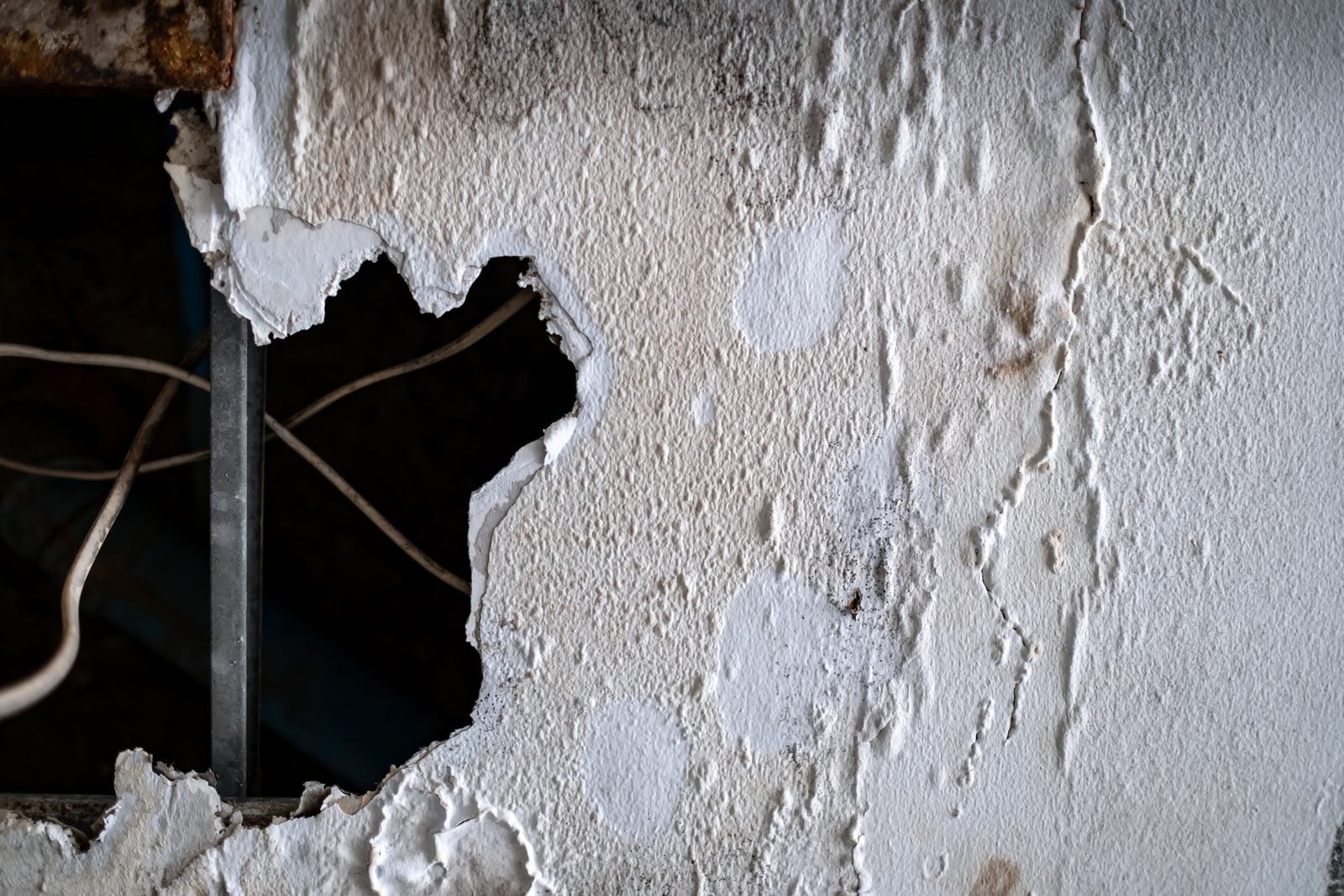
- Drywall that feels soft, bulges or shows a tide line.
- Carpet that stays wet after you pull up the standing water.
- Ceiling stains or sagging below a bathroom or upstairs laundry.
- Water from a toilet, drain or outside flooding, which can carry contamination.
The guide on signs of hidden water damage covers more clues.
Why does drying speed matter so much?
Drying speed matters because wet materials get weaker and grow mold over time. TDI warns that mold can start growing within a day after a leak. Drywall, particleboard cabinets and carpet pad also soak up water and swell, and the longer they stay wet, the less likely they can be dried and kept.
Many restoration guides aim to have materials drying within the first 24 to 48 hours. The goal is to have moisture going down, not sitting still.
Need help now? Call to be connected with a local provider in Austin who can check availability for your address.
Does the type of water change how it is repaired?
Yes. Clean water from a supply line is handled differently than water from a toilet, a sewer backup or outdoor flooding. Dirtier water usually means more materials have to be removed instead of dried, and more cleaning is needed.
- Clean water: a burst supply pipe, a broken washer hose or a leaking water heater.
- Gray water: dishwasher or washing machine drain water.
- Dirty water: sewage, toilet overflows with waste, and rising floodwater. Porous items it touches are often removed. The sewage cleanup page explains why.
What happens during the visit?
The provider inspects the wet areas, explains your options and gives you a written quote before any work starts. You should leave the visit knowing what is wet, what can likely be dried and kept, and what probably needs to come out.
- Inspection: finding the source, checking walls, floors and ceilings with moisture meters, and checking rooms next to and below the leak.
- Options explained: drying in place versus removing materials, and what each choice means for the repair afterward. The dry and restore vs replace page covers this choice.
- Written quote: a scope of work in writing before anything is torn out or set up.
Ask how the provider will track drying progress and what would make the job take longer. Drying depends on the materials and the weather, so treat any estimate as a plan, not a promise.
What should I document for insurance?
Document the source, the water, every damaged room and every damaged item before cleanup, and keep receipts for anything you buy. Many policies treat sudden damage differently from gradual leaks, so a clear record of what happened and when is the most useful thing you can give an adjuster.
- Photos and video of the source, standing water and damaged materials.
- A list of damaged belongings with brand and age if you know them.
- Moisture readings and the written scope from the provider.
TDI says hidden water damage usually must be reported within days after you first see it, and exact deadlines are set by each policy. The guide on water damage insurance claim basics goes deeper.
Why do Austin homes need water damage repair so often?
Austin gets water damage from both directions: floods from heavy rain and broken pipes from hard freezes. The NWS says Austin is located in a region known as Flash Flood Alley and has a history of devastating flash floods. During storms, the City of Austin points residents to ATXFloods.com for road closures and warns not to cross water at low water crossings.
Freezes are the other side. Over 1991-2020, Austin's average first freeze at Camp Mabry is December 1, and sub-freezing temperatures occur about 33 days a year at Austin-Bergstrom Airport, compared with about 12 at Camp Mabry. After the February 2021 winter storm, Austin Water issued a citywide boil water notice because so much water was lost to dripping faucets and broken pipes.
Providers may serve homes across Austin, Buda, Kyle, Round Rock, Cedar Park, Pflugerville and Lakeway. See the full service areas list.
Related pages
Questions people ask
Who do I call for water damage repair in Austin right now?
Call to be connected with a local provider who handles water damage repair in Austin. Have your address, the source of the water if you know it and which rooms are affected ready when you call.
What is the first thing I should do when I find water on my floor in Austin?
Stop the water first, then keep yourself safe from electrical hazards. In the City of Austin, the owner's shutoff valve is typically on the owner's side of the water meter at the meter box. After that, take photos and start removing standing water.
Is it safe to stay in my house while it has water damage?
Often it is, if the water was clean, the power is safe and the damage is limited. Leave the area if water is near outlets or the panel, the ceiling sags, or the water came from sewage or flooding.
Can I just paint over a water stain on my ceiling?
Not until the source is fixed and the area is confirmed dry. Painting over a damp spot in an Austin home can hide ongoing moisture, and the stain often bleeds back through.
How long does drywall need to dry after a leak?
It depends on how wet it got, the air conditions and whether the wall cavity has insulation. The only reliable answer comes from moisture meter readings, not from how the wall feels or looks on the surface.
Should I pull up wet carpet myself?
You can pull back a corner to let air reach the pad, but take photos first. A local provider in Austin can tell you whether the carpet can be dried or should be replaced.
What does a water damage repair visit in Austin look like?
The provider inspects the wet areas, checks moisture levels, explains your options and gives you a written quote before work starts. You should know what can be dried and what needs to be removed before anything is torn out.
Why does my house smell musty a few days after a leak?
A musty smell after a leak usually means something is still damp, such as carpet pad or the inside of a wall. Find and dry it, and have the area checked if the smell stays.
What if the water came from a toilet or drain?
Water from a toilet with waste or a drain backup is treated as contaminated, so porous items it touched are often removed. Call to be connected with a provider in Austin who handles sewage cleanup.
Can water damage get worse if I wait until Monday?
Yes, it usually can. TDI warns that mold can start growing within a day after a leak, and materials like drywall and cabinet bases keep soaking up water the longer it sits.
What should I photograph before cleaning up water damage?
Photograph the source, the standing water, the walls and floors in each room and every damaged item. Take wide shots and close-ups, and keep anything you remove until your insurer says you can throw it away.
Does flood insurance pay for a burst pipe in Texas?
No. TDI says flood insurance does not pay for burst-pipe damage. Burst-pipe claims fall under a home or renters policy, so check your own policy and document everything.
How do I protect my Austin home from water damage during a freeze?
Know where your shutoff valve is, keep the heat on and drip faucets during freezing weather. If pipes freeze, turn off the water at the shutoff valve.
Can water damage repair in Austin start before the adjuster comes?
In most cases you should start limiting the damage right away, such as stopping the water and drying, while documenting everything first. Check your policy, tell your insurer what you are doing and keep receipts and photos.
What questions should I ask before hiring someone for water damage repair?
Ask how they will find hidden moisture, track drying and decide what to remove, and whether you will get a written quote first. For mold work in Texas, ask for the TDLR license number.
Talk to someone about your water damage problem
Call to be connected with a local provider who can check availability for your address and explain the next step.